
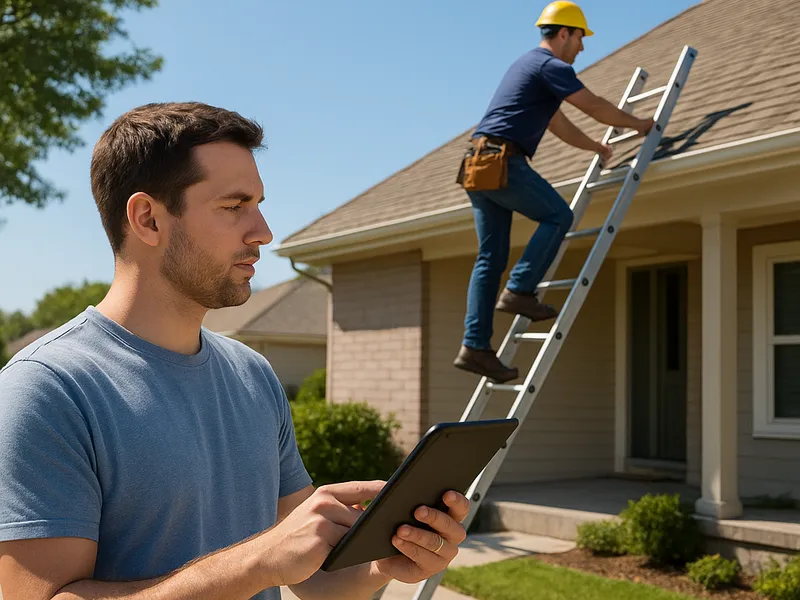
Finding roofing companies nearby is a common first step for homeowners facing a leak, aging shingles, or a full replacement. The need is practical and urgent in many climates, where a well installed roof protects not only from weather but also from energy loss and structural damage. The goal is to connect with trusted professionals who understand your local building codes, climate conditions, and household needs. In this piece, we’ll explore how to identify reliable local roofers, compare leading platforms that can connect you with those roofers, and outline a practical approach to choosing the right contractor for a project that lasts decades.
The value of going local goes beyond convenience. Proximity often translates into faster scheduling, shorter travel times for inspections, and easier follow up if issues arise after work is completed. Local roofers tend to be more mindful of regional weather patterns and the types of materials that stand up best in your area. They are also more likely to understand local permit processes and warranties that are valid within your municipality. With that in mind, the search strategy should begin online but quickly move toward building a short list of candidates you can verify through conversations, estimates, and site visits.
How to find trustworthy roofing companies nearby
Start with broad searches and then narrow down. Use terms like roofing near me, nearby roofers, or local roof replacement in your city or town. Map-based and review-driven platforms are especially helpful because they aggregate customer feedback and show proximity at a glance. Always request multiple estimates and set a consistent scope for comparison. A good estimate will itemize materials, labor, disposal, permits, and any debris removal or subcontractor charges. Be wary of unusually low bids; they can signal substandard materials, hidden costs, or less-than-complete warranties.
Platform comparisons: where to look and what to expect
Angi (Angie’s List): Angi offers a vetted directory of contractors and user reviews with service transparency. Pros include a detailed profile for each professional, clearly displayed licenses and certifications, and cost guides. Cons can include a reliance on paid memberships and occasional push to select featured providers. For roofing, Angi can help you filter by local area, customer rating, and past project type.
HomeAdvisor: This platform connects homeowners with pre-screened local pros and provides an estimate framework. Pros are the breadth of the network, the ability to compare multiple bids side by side, and the emphasis on background checks. Cons may include service fees for homeowners and the potential for aggressive upsells from some contractors.
Thumbtack: A matchmaking service where homeowners describe the project and pros respond with quotes. Pros include fast responses and direct communication with contractors. Cons can be variability in the depth of the contractor’s profile and the variability of quoted prices.
Google Local Services / Google Maps: Local search results surface nearby roofers with reviews, business details, and contact options. Pros are immediate visibility and easy contact; cons include the need to assess the credibility of newer listings and the occasional inconsistent review quality.
Yelp: Strong user-generated reviews that can illuminate a contractor’s reliability and customer service. Pros include long-form feedback and a broad base of experiences. Cons are that not all roofers actively manage Yelp profiles, and some reviews may be biased.
BBB (Better Business Bureau): BBB accreditation and complaints history offer a lens into business reliability. Pros include a standardized rating framework and accessible complaint records. Cons include that accreditation is not universal and some strong local specialists may not be BBB-accredited.
Manufacturer directories: Large manufacturers like GAF and certain shingle producers maintain installer directories with credentialed contractors. Pros include manufacturer-backed warranties and access to approved materials; cons include restricted eligibility for certain programs and potentially higher installation standards.
