
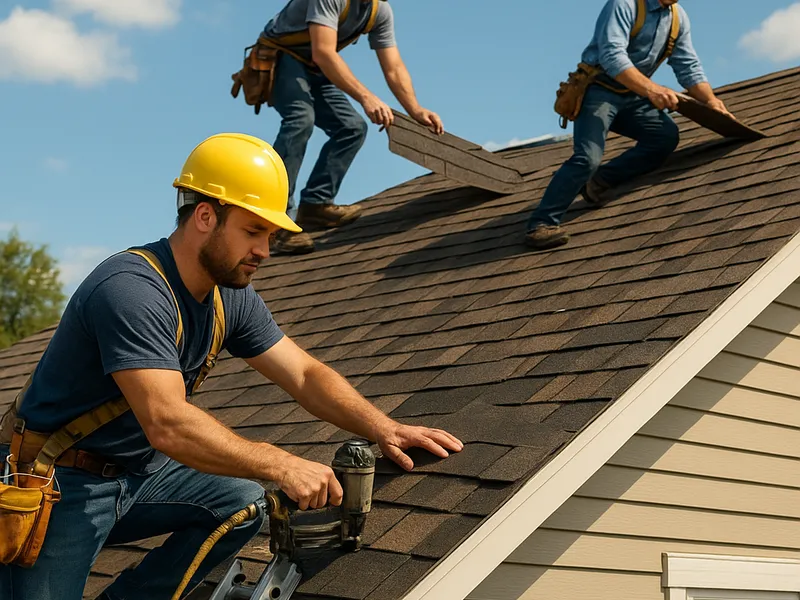
Roofing Repair Contractor
Article
2025-12-09 • 5 min read

Roofing Repair Contractor

A roofing repair contractor is more than a tradesperson who fixes shingles. In many neighborhoods a skilled professional is your first line of defense against water intrusion, structural damage, and the escalating costs that come with a neglected roof. The ...

A roofing repair contractor is more than a tradesperson who fixes shingles. In many neighborhoods a skilled professional is your first line of defense against water intrusion, structural damage, and the escalating costs that come with a neglected roof. The right contractor brings not only tools and materials but also codes knowledge, weather readiness, and a plan that aligns safety with long term resilience. Whether you are dealing with a sudden leak after a storm or a slow drip that has crept into an attic, a qualified roofing repair contractor can assess the situation, explain options, and carry out work that stands up to the next season’s weather.

Understanding when to call in a pro begins with recognizing the signs of trouble. A roof that has missing or curling shingles, granules in gutters, or visible flashing damage around chimneys and vents often needs attention. Water stains on ceilings or walls, damp insulation, or musty odors can indicate hidden leaks that require more than a cosmetic patch. Ice damming in colder climates is another red flag, signaling problems with insulation or ventilation that a professional should address. While there are DIY steps that can help with minor maintenance, significant repairs—especially those involving structural components, roof decks, or extensive flashing—demand the expertise and safety protocols of a licensed contractor.

When you decide to hire, preparation pays off. Start by gathering a few essentials: recent roof photos from the ground and attic, the approximate roof size, and the accessibility of the work area. Before you begin obtaining bids, confirm that contractors hold current licenses as required by your state or locality, carry liability and worker’s compensation insurance, and have a solid warranty policy for both workmanship and materials. Ask potential contractors for a written scope of work, the materials they propose, and a projected timeline. Request a few references and take a few minutes to contact prior customers about their experience, the accuracy of the estimate, and whether the project stayed on schedule.

In today’s market several platforms consistently connect homeowners to roofing repair specialists. HomeAdvisor and Angi are long running matchmaking services that pair you with local pros after some basic details about your project. They offer reviews and vetted background checks, though costs to contractors can vary, and lead quality may fluctuate with the season. Thumbtack operates on a bidding model where contractors respond to requests and quote prices, which gives you a sense of market rates but may require a bit of sorting through to find the right fit. Yelp and Google Business Profiles also function as discovery tools, with a focus on consumer reviews and business reputation. It is often useful to compare at least two platforms to see how the quotes and communication styles differ, and to look at a contractor’s own website for portfolio images, material choices, and guarantees.

Roofing Repair Contractor

To compare quotes effectively, ensure that each proposal covers the same scope. A typical repair might involve fixing leaks around flashing, replacing a section of shingles, resealing valleys, and ensuring correct attic ventilation. Ask contractors to itemize labor, materials, disposal costs, disposal permits if required, and any roof protection or temporary weatherproofing during the job. Clarify who handles permits and who will secure required inspections. Request details about the warranty on both materials and workmanship, and ask how long the warranty lasts and what it covers. If insurance work is needed due to storm damage, confirm that the contractor can work with your insurer and that the agreement aligns with the adjuster’s scope.

During discussions, evaluate not just price but approach and communication. A reliable roofing repair contractor will provide a clear plan: a thorough roof inspection to identify current and potential future problems, a written estimate, a materials list with options (for instance, asphalt shingles versus architectural shingles versus metal), and a realistic schedule that accounts for weather delays. They should be willing to walk you through how they protect landscaping, how they manage debris, what safety measures they follow, and how they test for leaks after completion. Be wary of contractors who pressure you for an immediate decision, avoid written estimates, or cannot provide references or proof of insurance.

Budgeting for roof work requires some context. Minor repairs such as sealing a small leak or replacing a handful of shingles may fall in the low to mid hundreds of dollars, while more substantial repairs like replacing damaged underlayment, re-flashing around chimneys, or repairing a large section of the roof can run into the low thousands. If the damage is extensive or if roof decking is compromised, you may be looking at a replacement rather than a repair. In all cases, setting aside a contingency for weather-related delays is prudent, as is planning for cleanup and disposal of old materials. If the roof has insurance coverage, your contractor can help with documentation to support a claim, but it’s important to understand policy requirements and depreciation rules that may apply.

Maintenance after repair matters as well. Schedule periodic inspections, particularly after severe weather, and establish a simple routine to clear gutters and downspouts. A well maintained roof often avoids further problems and extends the life of the repair. Keep records of all work performed, including warranties, permits, and any follow up notes. A good roofing repair contractor will also advise on minor improvements that improve longevity, such as upgrading venting, sealing penetrations more effectively, or addressing tree encroachment that can cause physical damage or accelerated wear.

If you are shopping for a contractor, think of this as a partnership rather than a one off transaction. The right professional will explain options in plain language, provide a transparent plan with a written contract, and stand behind workmanship with a warranty. They will also help you navigate any insurance considerations if a claim is involved. With careful research, thoughtful comparisons, and clearly defined expectations, your roof repair project can go smoothly, protecting your home and your family for years to come.

← Back to all articles