
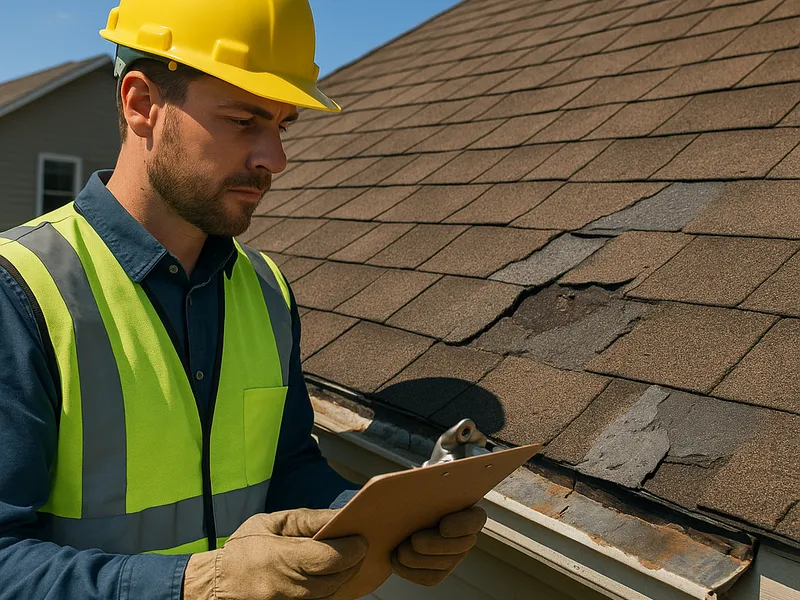
For homeowners, keeping a roof in good condition is essential for comfort, safety, and property value. Roofing repair contractors are the specialists who diagnose leaks, replace damaged shingles, reseal flashing, and restore the integrity of the roof after weather events or wear. A well chosen contractor not only fixes the present problem but also helps you plan for long term durability, material quality, and maintenance. The process begins with a careful assessment, a transparent repair plan, and decisions that balance cost, time, and the expected lifespan of the roof. This article explores how to navigate the landscape of roofing repair services, what to look for in a contractor, and how to compare the leading platforms that connect homeowners with qualified roofers.
First, understand the landscape of options you have for finding a roofing repair contractor. There are several widely used platforms that help homeowners locate qualified professionals, learn about their track records, and receive quotes. Among the most recognizable are HomeAdvisor, Angi, Thumbtack, and Yelp. HomeAdvisor emphasizes a vetted network and a process that matches your project with suitable pros, often including price guidance and planned inspections. Angi, which grew from Angie’s List, leans on verified reviews and a contractor marketplace designed to foster trust through transparency. Thumbtack markets itself as a project matching service that connects you with local pros who send you custom quotes, while Yelp offers user reviews across many service categories, including roofing. It is important to treat these platforms as starting points for diligence rather than final arbiters of quality; you still need to verify licenses, insurance, and past work.
The top platforms differ in how they present money, assurance, and accountability. HomeAdvisor tends to provide recommended contractors based on your location and project type, along with customer reviews and a clear process for agreeing on scope and pricing. Angi offers a blend of reviews, company profiles, and paid advertising that can help you compare options quickly, sometimes with membership perks that influence the information shown. Thumbtack excels at connecting you with multiple quotes in one place, giving you a quick sense of market rates and pro responsiveness, but the quality of each pro can vary more widely since the platform emphasizes speed of matches. Yelp supplies broad consumer feedback that can illuminate consistency of performance and customer service, yet it is not a specialized contractor vetting system. For a broader picture, you can also consult local Better Business Bureau ratings and neighborhood reviews to get a sense of trust and accountability in your area. Combining insights from these sources with your own checks is the key to reducing risk.
If you want to hire a roofing repair contractor the right way, follow a practical workflow. Start by identifying the problem with a careful exterior inspection and, if possible, a path to confirmation from inside the attic or ceiling where leaks manifest. Document signs of damage with photos and notes, because this helps you avoid vague bids and misaligned expectations. Next, request quotes from at least three contractors who are licensed, insured, and local to your area. Ask for a written scope of work that details the suspected causes, the specific repairs, the materials to be used, a timeline, and a payment schedule. Deskside discussions are helpful, but a site visit is essential for an accurate assessment. During the visit, verify the contractor’s license number, confirm they carry liability and workers’ compensation insurance, and request copies of their insurance certificates. If the roofer recommends a full roof replacement rather than a repair, seek a second opinion to confirm the assessment.
