
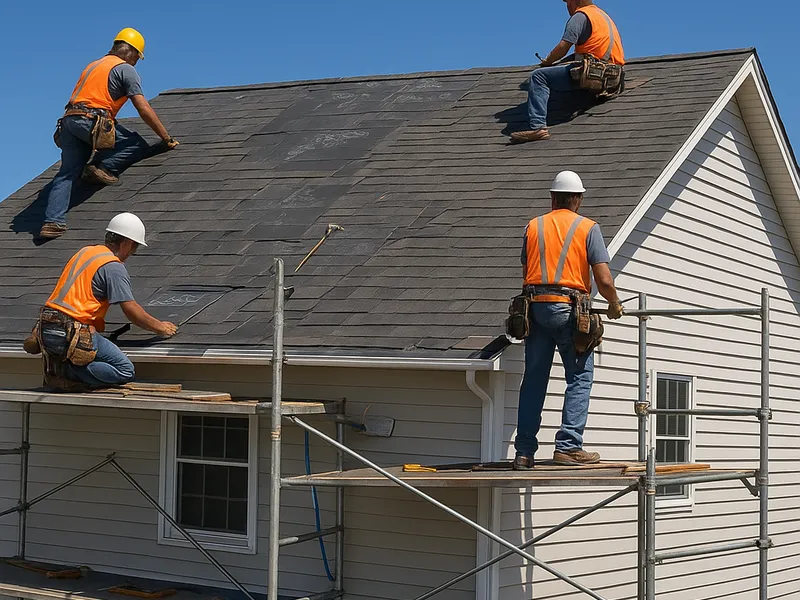
Roofing repairs are one of those home maintenance tasks that often get deferred until a small issue turns into a bigger problem. A simple roof patch or a prompt chimney flashing fix can extend the life of your roof, protect interior spaces, and reduce energy loss. This article walks you through how to approach roofing repairs, what to expect from professional services, and how to compare trusted providers in the market. It also offers practical guidance on deciding when to DIY and when to hire a pro, along with tips to ensure you get solid value and a durable result.
First, understand what typically triggers a repair. A roof does not need replacement every time a single shingle looks worn. Many repairs focus on sealant failures, flashing at vents and chimneys, damaged edges, and Localized leaks that trace back to a specific area. Storms, wind uplift, hail, age, and poor previous workmanship can all contribute to these issues. Start with a careful inspection from ground level and, if safe, use a ladder to view slopes and eaves. Look for curled, missing, or cracked shingles, granule loss in gutters, exposed underlayment, and flashing gaps around vents, chimneys, and skylights. If you see daylight through the attic hatch or feel heat or moisture in the insulation, treat it as a priority.
Before you call a contractor, differentiate between a patchable repair and a broader problem that may require replacement. A small leak around a flashing seam or a handful of damaged shingles is often repairable without touching the entire roof deck. Widespread curling shingles, advanced granule loss, or persistent leaks after multiple fixes usually indicate that the roof’s overall condition is compromised and replacement might be a more economical long-term option. Cost is highly variable and depends on the roof’s size, pitch, material, accessibility, and the local labor market. In general, small repairs can range from a few hundred dollars to a couple thousand, while larger fixes or partial deck repairs can climb into the thousands. A full roof replacement, depending on materials and region, can be a major investment. Understanding these ranges helps you ask the right questions and avoid overpaying for work you don’t need.
When it comes to choosing who should perform the work, you have several strong options. National and regional retailers offer roofing services that pair reputable materials with a network of installers, while specialized roofing contractors bring deep experience with specific materials and local code nuances. Here is a practical comparison of common sources:
National home improvement retailers with roofing services: Large chains such as Home Depot and Lowe’s provide roofing repair and replacement through certified third-party contractors. Their advantages include broad availability, established safety and warranty frameworks, and bundled options for materials and labor. You often find convenient financing, transparent written estimates, and standard warranties on both workmanship and materials. The trade-off can be less customization and longer wait times in peak seasons, depending on your region.
Manufacturer-backed contractor programs: Companies like GAF, CertainTeed, and others run contractor networks that require installers to meet specific training and insurance criteria. Working with a Master Elite or certified installer can improve warranty coverage and ensure compatibility with high-end shingles or specialized products. If you choose these routes, you typically gain rigorous quality assurance and access to extended system warranties when the project uses matching shingles, underlayment, ventilation, and flashing components from the same family.
