
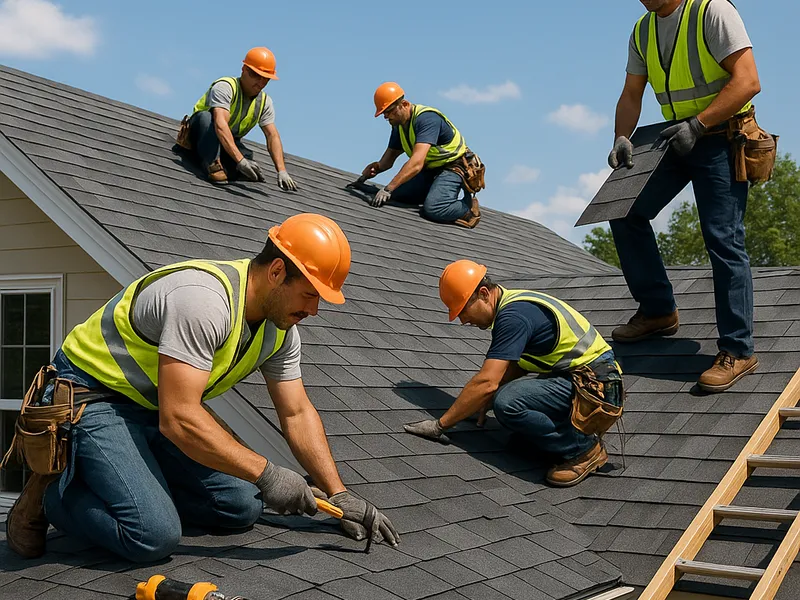
Roofing replacement is one of the most visible and consequential home improvements a property owner can undertake. It not only protects the interior from water damage and weather intrusion but also shapes curb appeal and long term energy efficiency. A well executed roof replacement can add decades to the life of a home, while a rushed or improperly planned project can lead to leaks, higher energy bills, and frequent repairs. The decision to replace a roof should be guided by a careful assessment of current condition, budget, materials, and an honest appraisal of local climate and building codes. The process is collaborative, often involving a homeowner, a roofing contractor, and sometimes a product manufacturer or distributor who supplies the protective layers above and beyond the visible shingles.
Assessing need and choosing materials
Homeowners typically consider roof replacement when signs of wear accumulate or when aging materials threaten structural integrity. Common indicators include curling or missing shingles, widespread granule loss in gutters, consistent leaks after heavy rain, and persistent attic condensation or daylight seeping through the roof deck. Before committing to replacement, it’s wise to have a licensed contractor perform a thorough inspection of the decking, flashing, ventilation, and underlayment. This helps identify whether the underlying structure is sound and whether any decking boards must be replaced or repaired.
Material selection is a balance of cost, durability, aesthetics, and climate suitability. Asphalt shingles remain the most common option due to cost-effectiveness and a wide range of styles, from simple three-tab to dimensional “architectural” shingles. Metal roofs offer excellent longevity and energy efficiency, though at a higher upfront price. Tiles, slate, and wood shingles provide distinctive looks and long lifespans but require specialized installation and heavier roof structures. For many homeowners, the choice is a blend of appearance preferences and practical concerns like wind uplift resistance, fire ratings, and the local climate.
The installation process and what to expect
A typical roof replacement unfolds in stages. First is scheduling and permitting. In many areas, a permit is required, and an HOA may have guidelines about roof color, materials, or architectural details. Next comes preparation: the contractor protects landscaping, moves outdoor furniture, and sets up a waste management plan for shingles and nails. The actual roof tear-off removes old shingles and underlayment, allowing an inspection of the roof deck for rot or damage. Damaged decking is replaced, followed by installation of a new underlayment or membrane, along with proper attic ventilation and drip edges to channel water away from the fascia.
Shingles or chosen roofing material are then installed with attention to correct nailing patterns, alignment, and sealing at hips, ridges, and valleys. Proper installation reduces the risk of wind uplift and water infiltration. Flashing around chimneys, vents, and skylights is critical; poor flashing remains the leading source of leaks after replacement. A final inspection confirms that the roof is watertight and that ventilation systems perform correctly. Many reputable contractors offer workmanship warranties in addition to manufacturer warranties on materials, providing added protection should issues arise after installation.
Cost considerations, warranties, and safety
Costs for roof replacement vary widely by material, roof size, pitch, geographic location, and the complexity of the project. Asphalt shingles typically present the most economical option, with costs driven by shingle quality and installation labor. Metal roofs, high-end composites, and tile can command higher prices but may offer longer lifespans and potential energy savings. Always request a detailed estimate that breaks out materials, labor, permit fees, disposal, and any repairs to decking or flashing. Ask for a written warranty covering both materials and workmanship, and verify what is covered and for how long. Some manufacturers provide extended material warranties, while contractors often offer workmanship guarantees.
