
Soldador Portátil
Article
2025-12-10 • 5 min read

Soldador Portátil

Portable welding tools have transformed how and where metalwork gets done. A compact welder lets hobbyists mend a bicycle frame, farmers repair a gate, or mechanics patch a rusted panel without dragging a full shop setup to the job site. The appeal is clear...

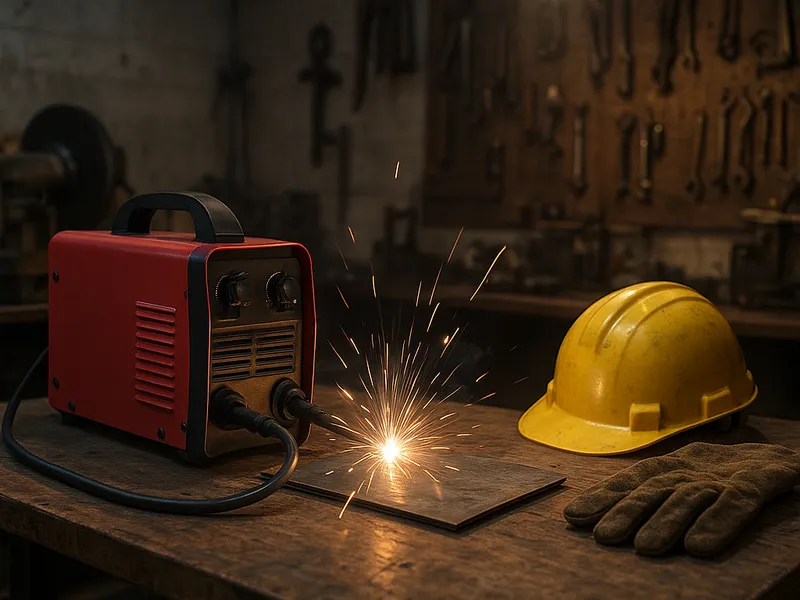
Portable welding tools have transformed how and where metalwork gets done. A compact welder lets hobbyists mend a bicycle frame, farmers repair a gate, or mechanics patch a rusted panel without dragging a full shop setup to the job site. The appeal is clear: power, precision, and portability in one package. But to get the most out of a portable welder, you need to understand what you’re buying, how it works, and how to use it safely and effectively in real world conditions.

Today’s portable welders come in several forms, with inverter based units leading the pack for weight and efficiency. Inverter technology converts AC power into a highly stable arc while drawing less current from the outlet, which means lighter machines that still deliver solid performance. Many models are designed to run on common shop power at either household voltages or at higher shop voltages, and a growing number offer dual voltage for flexibility. The choice between single process and multi process machines is a practical one. For straightforward repairs, a MIG or stick welder can cover most tasks. For more precise work on thinner metals or aluminum, you may want a more capable multi process unit that can handle TIG in addition to MIG and MMA, though those tend to be bulkier and pricier.

Key decisions begin with the type of welding you plan to do. MIG welding, sometimes called GMAW, is popular for its speed and ease, especially on thin to medium thickness steel. Flux core MIG (gasless) is especially handy outdoors because it doesn’t require a shielding gas cylinder, though it can produce more fume and spatter than a gas shielded setup. Stick welding, or SMAW, is venerable for rugged applications and thicker metals, and many portable units include a simple stick option. TIG welding, while offering superior control and cleaner bead surfaces on certain metals like aluminum and stainless steel, usually demands more power, a steadier hand, and a more expensive machine.

Voltage, amperage, and duty cycle determine what you can weld and for how long. A common portable unit might be suitable for thin automotive sheet metal or fence fabrications at lower amperage, with a practical duty cycle that reduces continuous welding times. When selecting a unit, check the recommended thickness range, wire or electrode size compatibility, and whether the machine operates on a standard outlet or a higher voltage circuit. For outdoor or improvised setups, consider a unit with flux core capability and good cooling to prevent overheating during longer patches. And if you’re planning to work away from a power source, look for portable models with robust battery or generator compatibility, though most field grade welders still require a power supply.

Soldador Portátil

Safety and preparation should never be skipped. A good welding helmet with appropriate shade, flame resistant clothing, and leather gloves are musts. A properly grounded workpiece is essential to prevent shock and to ensure a stable arc. Clear the area of flammables, have a fire extinguisher within reach, and ensure ventilation to manage fumes. Portable welders are often used in garages, sheds, or field setups, so plan for lighting, stable surfaces, and a clean, non-slip floor. Practice on scrap pieces to dial in your settings before tackling an actual repair, and keep spare consumables like contact tips, nozzle pins, and consumable kits on hand.

Where to buy and how to compare brands. Reputable manufacturers such as Lincoln Electric, Miller Electric, Hobart, ESAB, Forney, and AHP produce portable welders that range from entry level to professional grade. Online retailers and big box hardware stores distribute similar lines, with sites like Amazon, Home Depot, Northern Tool, and Grainger offering user reviews, warranty information, and service options. In general, you’ll find budget-friendly models aimed at light-duty home use, mid-range units that balance portability with more features and higher duty cycles, and higher-end, multi-process units designed for ongoing shop work and more demanding tasks. When comparing, consider: price and value, weight and dimensions, power requirements, supported processes, duty cycle at rated amperage, included accessories, and warranty length. If you work primarily outdoors or on auto repairs, a gasless MIG or a sturdy stick welder at a reasonable price point might outperform a fancier but heavier unit for your needs.

If you want practical guidance on getting started, here is a simple workflow. First, identify the most common task you expect to perform, such as patching a fender, repairing a farm gate, or building a small frame. Second, choose the welding process that best matches that task and your environment. Third, verify the power source availability and pick a model that matches your outlets and amperage needs. Fourth, gather safety gear and set up a dedicated clean workspace with a grounded bench and fire suppression within reach. Fifth, connect the ground clamp to the workpiece, feed the appropriate wire or electrode, and adjust the voltage and wire feed speed (for MIG) or amperage (for stick). Sixth, test on scrap metal, starting with light passes and moving slowly toward deeper penetration as needed. Finally, perform routine maintenance—clean the nozzle, inspect cables for wear, and replace consumables regularly.

For anyone stepping into portable welding, the key is alignment of your needs with a machine that can reliably handle them without becoming a burden for daily use. If your projects involve thin metals and quick repairs, a lightweight MIG or flux core machine from a reputable brand is a compelling choice. If you anticipate thicker materials or heavy patchwork, consider a more robust multi process unit that can tackle TIG and MIG with solid support and more expansive duty cycles. In any case, a portable welder is a doorway to faster repairs, stronger joints, and greater confidence when you’re working away from a full shop. With the right preparation, the right tool, and a careful approach to safety and technique, you’ll be welding with competence in a fraction of the time it would take with a larger, more cumbersome setup.

← Back to all articles