
SUV E Crossover
Article
2025-12-16 • 5 min read

SUV E Crossover

SUV and crossover vehicles have become central to how families, adventurers, and daily commuters move today. Buyers are drawn to the practical balance these two segments offer between space, comfort, efficiency, and price. The lines between them have blurre...

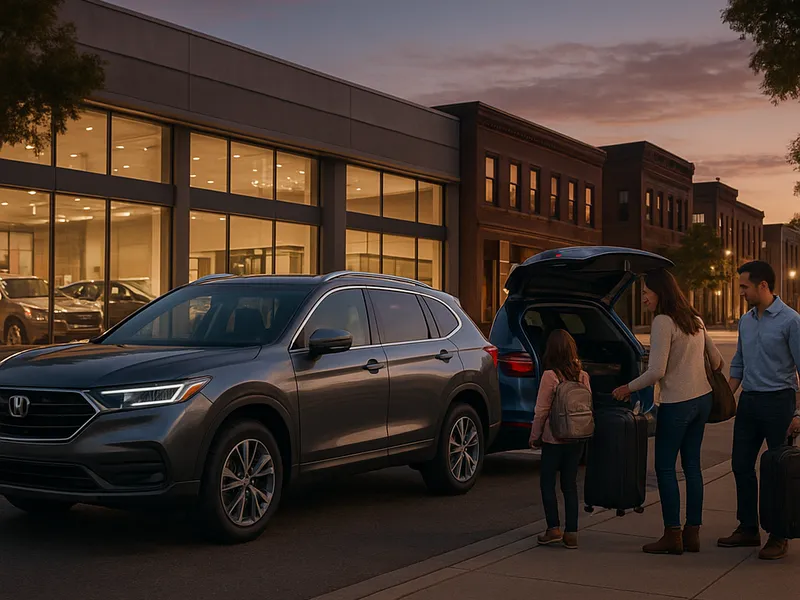
SUV and crossover vehicles have become central to how families, adventurers, and daily commuters move today. Buyers are drawn to the practical balance these two segments offer between space, comfort, efficiency, and price. The lines between them have blurred as platforms improve, safety tech proliferates, and design shifts toward more versatile packaging. An SUV traditionally signals rugged capability and robust payload, while a crossover emphasizes car like handling and interior flexibility. In practice, many shoppers end up choosing between a two row crossover and a three row SUV based on how they live, where they drive, and how much they value fuel economy versus towing.

The market has evolved into a broad spectrum of choices that suit different lifestyles. Crossovers typically ride on unibody platforms that share components with passenger cars, delivering a smoother ride and better fuel efficiency. They excel in urban and suburban use where easy ingress and cargo versatility matter. SUVs, by contrast, often use body on frame architecture or more rugged underpinnings, offering greater towing capacity and a sense of off road capability. Yet today several models cross those traditional borders with available all wheel drive, advanced driver assists, and adaptable seating that makes them feel nearly as comfortable as a sedan in day to day travel while still capable of weekend getaways.

For many buyers the decision comes down to real world needs rather than labels. If you regularly transport a large family or carry bulky gear, a three row SUV with configurable seating can be appealing. If your priorities are maneuverability, lower operating costs, and easier parking, a compact or midsize crossover might hit the sweet spot. The best way to decide is to quantify needs like passenger count, cargo volume, towing needs, and the typical terrain you encounter. Then pair those requirements with the comfort and technology you expect from a modern vehicle.

Shopping for these vehicles now means more than visiting a single dealership. Online marketplaces and research platforms have transformed how people select, compare, and buy. Some of the most influential sources include large car marketplaces offered by both manufacturers and independent platforms. Carvana and CarMax are prominent for online ordering and home delivery with bundled financing options, while AutoTrader and Cars.com aggregate inventories from thousands of dealers and private sellers. In addition, Edmunds and TrueCar provide pricing analyses and editorial insights that help buyers understand market value and incentives. These sites often let you build a vehicle, price it with available options, compare trims, and read independent reviews before you step into a showroom.

SUV E Crossover

When you compare options, consider several criteria that matter most for SUVs and crossovers: - Total cost of ownership including fuel, insurance, and maintenance - Real world fuel economy as reported by owners and independent testers - Interior space for passengers and cargo, plus seat configuration flexibility - Trunk access and cargo floor height for practical loading - Safety technology and driver assistance features such as automatic emergency braking, lane keeping assist, adaptive cruise control - Drivetrain choices and towing capabilities if you anticipate heavy loads or rough terrain - Warranty coverage and reliability history for the model year you’re considering - Dealer or marketplace reputation and after sale support

A practical way to use these platforms is to first establish a budget and a must have list. Decide how many seats you truly need, whether you need third row seating, and whether you value a higher ride height versus a lower step in. Then search across Carvana CarMax AutoTrader and Cars.com to pull up current availability that fits your criteria. Reading editorial reviews on Edmunds or Kelley Blue Book helps you gauge pros and cons beyond raw specifications. For pricing, TrueCar can reveal what others in your region paid for the same model and trim, which strengthens your negotiating position when you visit a dealer or finalize an online purchase.

If your aim is to buy with confidence, here is a practical shopping flow: - Define budget and must have list and create a rough priority order between cargo space, seating, and fuel efficiency. - Research several models within the crossover and SUV categories that match your needs and read owner reviews to understand real world ownership. - Use online tools to compare trims and options, and check whether the features you want are standard or optional. - Check total cost of ownership estimates and any incentives or lease deals that apply. - Schedule test drives with local dealers to experience ride comfort, visibility, and cabin ergonomics firsthand. - Explore financing or leasing terms online before visiting. Many platforms offer prequalification with minimal impact on credit. - If purchasing used, obtain a vehicle history report, review maintenance records, and consider a trusted inspection. - Negotiate with the freedom to walk away. Use online price benchmarks to support your offer. - Review the contract carefully, including any fees, taxes, and the final out of pocket cost. - Arrange delivery or pickup and set up any required maintenance or warranty coverage.

For those who savor convenience, online sales channels can simplify the path to ownership. Carvana’s end to end process and home delivery, CarMax’s no haggle approach with a trial period, and the broad reach of AutoTrader and Cars.com give buyers options to compare, choose, and receive a vehicle without stepping foot in a traditional showroom. Meanwhile, Edmunds and TrueCar help you set realistic market expectations, while dealer websites and manufacturer stores present the latest incentives and financing options. The result is a smoother, more transparent journey from research to road.

Ultimately the choice between a crossover and an SUV comes down to how you live in practice rather than how the segment is labeled. A crossover often delivers the best daily comfort and efficiency for city and suburbia, while a sturdier SUV may be the better tool for families that tow, camp, or travel on mixed terrain. The landscape of sellers and platforms now makes it possible to research comprehensively, compare apples to apples, and secure a deal that aligns with your priorities. With thoughtful planning and the right online tools, finding a vehicle that prints a smile every time you head out becomes less of a guess and more of a confident decision.

← Back to all articles