
Tires For My Car
Article
2025-12-11 • 5 min read

Tires For My Car

Choosing tires for your car is more than a matter of price or curb appeal. Tires are the only link between your vehicle and the road, and their design, compounds, and tread patterns influence grip, braking, comfort, and efficiency in every season. The right...

Choosing tires for your car is more than a matter of price or curb appeal. Tires are the only link between your vehicle and the road, and their design, compounds, and tread patterns influence grip, braking, comfort, and efficiency in every season. The right set can improve safety and confidence in rain, snow, or heat, while a poor choice can compromise handling and wear. With countless options on the market, it helps to approach tire shopping with clarity about climate, driving style, and budget. This article looks at how to think about tires, the main categories you’ll encounter, and practical steps to buy and install them, whether you shop online or in person. It also compares several leading retailers so you can choose a reliable source that fits your needs.

Tire categories and what they do Most drivers start with the basics: all season tires, winter tires, and summer tires. All season tires are designed to handle dry roads, wet roads, and light snow, making them a versatile choice for moderate climates and a wide range of driving. They are not specialists in any one condition, but they provide predictable performance year round. Winter tires use softer rubber compounds and distinctive tread patterns to maintain grip on cold, icy, and snowy surfaces. They remain flexible at low temperatures, which helps with steering and braking when the weather turns harsh. Summer tires prioritize grip and responsiveness on warm pavement, delivering sharper handling and shorter stopping distances in warm conditions, but they can be unsafe in cold weather or with slush. There are also all weather tires that aim to blend capabilities for year round use. For drivers who value performance, there are high performance or ultra high performance tires that emphasize precise steering, high speed stability, and grippy contact at elevated temperatures. Run flat tires, which are designed to be driven for a short distance after a puncture, offer convenience but may feel stiffer and cost more. Finally, consider whether you need specialty tires for off road or heavy duty use, such as all terrain tires for light trucks or SUVs.

Size, fit, and safety basics The correct tire size and rating matter as much as the tread pattern. Vehicle manufacturers specify a range of acceptable sizes, load ratings, and speed ratings. The tire size is usually found on the sidewall of your current tires or in the owner’s manual or on the door placard. When selecting tires, you should choose a model that meets or exceeds the original specifications. The load index tells you how much weight the tire can support, while the speed rating indicates the maximum safe speed. Inflation pressure also affects safety and wear, so always set tires to the recommended pressure when cold, as listed by the manufacturer. Regular rotation, alignment checks, and tread depth monitoring are essential to maximize traction and longevity. If you notice uneven wear, vibrations, or pulling, have the suspension and alignment inspected and corrected.

Tires For My Car

Shopping options and retailer comparisons The market offers a mix of online marketplaces and brick and mortar retailers, each with advantages. Tire Rack is renowned for its broad catalog, detailed product data, and independent tests that help you compare performance across brands. The site often ships tires to a local installer, allowing you to keep the convenience of online shopping with professional installation. Discount Tire operates a nationwide installation network and is praised for straightforward pricing, free tire rotations, and price matching. They also provide guidance and transparent warranties, and installation can be performed at many partner shops. Costco Tire Center offers competitive pricing and a solid warranty bundled with membership, plus professional installation, though you’ll need a membership and appointment slots can be limited. Manufacturer sites like Goodyear, Michelin, and Bridgestone can be a reliable avenue for brand-specific tires, sometimes with rebates or promotions, but installation is typically arranged through local shops or the retailer network. Online marketplaces such as Amazon or general retailers provide convenience and broad selection, but installation options may be less flexible and customer service can vary by product and seller. For many shoppers, a hybrid approach works best: start with a manufacturer or model-specific search on a trusted retailer site, compare via independent reviews and tests, then choose a nearby installer you trust for the final mounting and balancing.

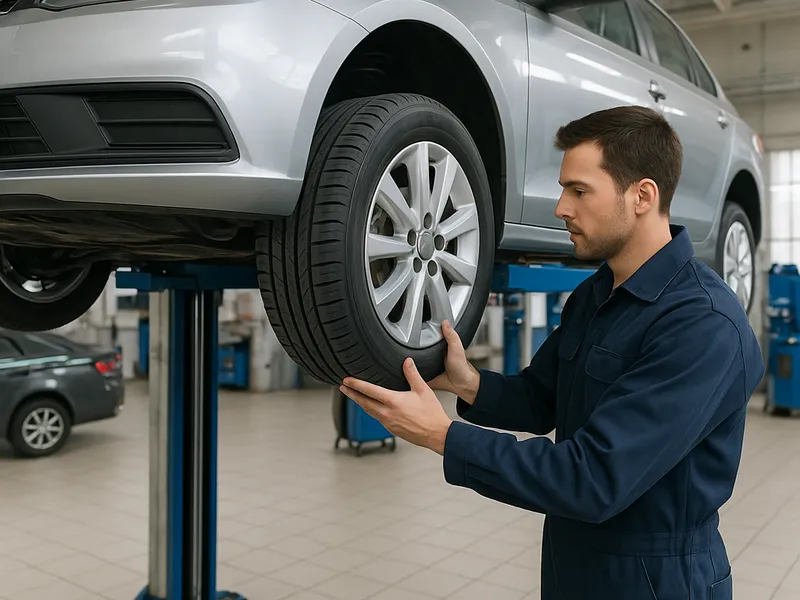
How to buy and install in practical steps Begin with your vehicle’s official tire size, load index, and speed rating. If you’re unsure, consult the owner’s manual or door placard and use that information to filter your search. Consider your climate and driving priorities. If you drive in cold or snowy conditions, prioritize winter or all weather tires; if you spend long hours on highways in heat, a high mileage all season or a performance tire may be preferable. Compare tires across price, treadwear warranty, and road hazard protection. When you place an order online, you can often choose to ship to a local installer or to a pickup point. Schedule installation at a time that suits your day; consider requesting a wheel alignment check, TPMS sensor service if needed, and the disposal of old tires. On the day of install, technicians will remove the old tires, inspect the brakes and suspension, mount the new tires, balance the wheels, reinstall sensors, and ensure the correct inflation pressure. Ask for a printed service record and the new tire date codes so you can track age going forward. After installation, maintain tires by rotating every few thousand miles, checking pressure monthly, and inspecting tread depth. If you notice an uptick in noise or vibration after installation, it’s worth another check with the shop to ensure balance and alignment are correct.

Maintenance, safety, and budgeting tips Set a reminder for tire rotation every six thousand to eight thousand miles, or as recommended by your vehicle maker. Keep a portable tire gauge or use a good gauge on a regular basis to verify air pressure, as under inflated tires can wear more quickly and waste fuel. Practice safe driving habits and adjust speeds for changing road conditions. If you live where winter driving is common, consider seasonal switching to maintain grip and safety. Budget for installation charges, disposal fees, and possible sensor replacement if you have a TPMS system. Look for warranties that cover both the tire material and the installation, plus any road hazard protection. By comparing retailers, you can find a balance between price, service, and convenience that suits your schedule and your car’s needs.

← Back to all articles