
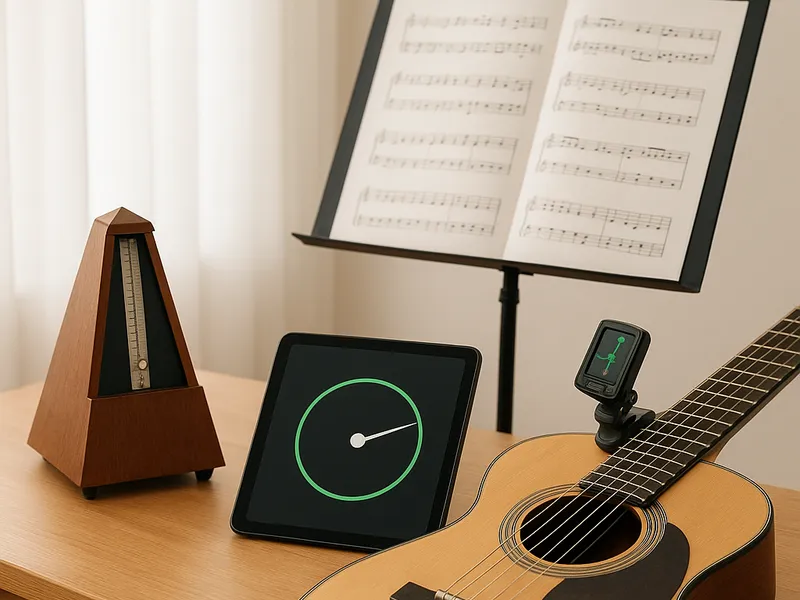
For musicians at any level, practice space and tools shape how efficiently you learn and how clearly you hear your progress. Three essential companions in this journey are metronomes for tempo, tuners for pitch, and stands for organization. When chosen thoughtfully, these tools do more than keep time or hold sheets; they set a discipline that translates to cleaner technique, steadier intonation, and less visual clutter during sessions. Let’s explore how to approach metronomes, tuners, and stands, compare leading options from top brands and retailers, and outline practical steps to integrate them into a productive practice routine.
Metronomes are the heartbeat of practice. They come in two broad flavors: traditional mechanical models and modern digital varieties. Mechanical metronomes, like the classic wind up Wittner Taktell or similar windable devices, appeal to purists who like a tactile, reliable rhythm without batteries or screens. They are typically durable, with a clear audible click and a straightforward tempo range that covers a broad musical spectrum. Digital metronomes, on the other hand, range from compact pocket devices to multifunctional units that double as rhythm trainers. Brands such as Korg and Boss have popular digital options that offer precise tempo control, subdivision options, and visual cues like flashing lights or on screen beats. Some models also integrate a tuner or a small display for quick reference, which can reduce the number of devices you need on the music desk. For many players, a digital metronome is the best long term value because of its versatility, the ability to program complex rhythm patterns, and the convenience of small, portable form factors.
When choosing a metronome, prioritize a clear tempo readout and reliable audible cues. If you rotate through complex time signatures or need frequent subdivisions, look for metronomes that provide easily adjustable subdivisions (for example, quarter, eighth, triplet, and even sixteenth notes) and a visible beat indicator. Build quality matters as well: a sturdy housing and a metronome that sits flat on a desk or a music stand will reduce wobble and misreads during practice. Price ranges vary by type and feature set. Simple mechanical models often sit in an approachable budget range, while feature rich digital versions can be priced higher but deliver extra value through programmable patterns, multiple voices, and built in tuners.
Tuners help you lock pitch with precision, and you can choose between clip on, tabletop, pedal, or multi instrument designs. Clip on tuners are especially popular for practice rooms and stages because they attach securely to the instrument without sacrificing accessibility. Pedal tuners suit players who perform or rehearse with a pedalboard setup, while tabletop or handheld tuners work well in quieter, home studio environments. Accuracy is the star feature here. Most consumer tuners deliver within a few cents, and professional models push accuracy toward a fraction of a cent in strobe or simulated strobe modes. Chromatic tuners are versatile for many instruments, but if you play in a large ensemble or a dedicated instrument family, consider a brand that offers instrument specific tuning modes or hardware that reads a broad gust of pitch data quickly. Leading brands—Korg, Boss, TC Electronic, Peterson—offer a spectrum from simple clip ons to high end strobe tuners. When buying, evaluate screen readability, color coding for in tune or out of tune states, calibration options, and whether the tuner mode supports your primary instrument if you switch between guitar, violin, wind, or keyboard.
Stands, whether for sheets, tablets, or music stands, provide the scaffolding that keeps your focus on sound rather than search. A sturdy stand improves posture, reduces neck strain, and fosters efficient page turning and line of sight to your metronome and tuner. Sheet music stands from brands like Manhasset, K&M, and On-Stage offer a range of heights, materials, and weight capacities. For tablet or phone stands, clamp-on or adjustable arms from similar brands help you keep a digital reference within arm’s reach without crowding your desk. When evaluating stands, consider adjustability (height, tilt, and angle), weight, portability, and build material. A well chosen stand remains stable during intense tempo work, yet folds compactly for travel. If you travel with a lot of printed music or digital sheets, a light yet rigid stand with reliable joints will become a daily essential.
Where to buy and how to compare options
Online marketplaces and specialist retailers offer broad inventories and reliable service, though the experience can vary. Amazon commonly provides the broadest selection and competitive pricing, especially for entry level metronomes and clip on tuners, with customer reviews that help you gauge real world reliability. Sweetwater emphasizes customer service, clear product information, and curated bundles that pair a metronome with a tuner or stand, which is valuable for beginners or educators outfitting a studio. Thomann, a major European retailer, often delivers competitive prices and a deep catalog that includes regional brands not always carried by larger US retailers. Guitar Center remains a strong option for in person testing, especially for those who want to try a mechanical metronome or audition a stand in a showroom. Musician’s Friend blends solid customer support with a wide online catalog and periodic promotions. For specific brands, visiting the maker’s official site—Korg for digital metronomes and tuners, Boss for Dr Beat products, Knob Wittner for traditional mechanical models, or König & Meyer for stands—can yield the most current models, official accessories, and warranty information.
Practical how to and setup tips
Define your goals before purchasing: are you building a portable kit for travel, or a fixed home studio with a large sheet music library? Your answer will guide whether you lean toward compact digital metronomes and clip on tuners or larger stands and tablet holders.
