
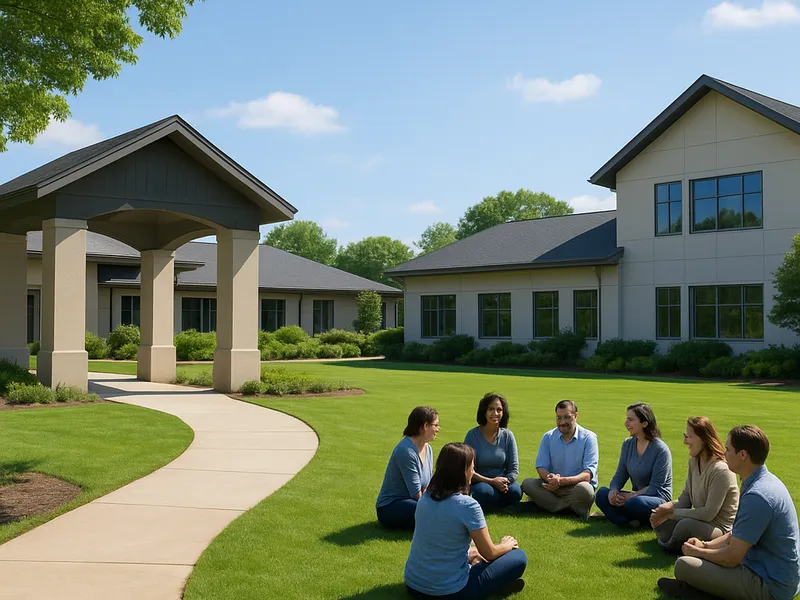
Treatment Center
Article
2025-12-11 • 4 min read

Treatment Center

Treatment centers play a pivotal role in the journey to recovery for many people facing substance use disorders and related mental health challenges. They are not a one size fits all solution, but rather a spectrum of services designed to stabilize, heal, a...

Treatment centers play a pivotal role in the journey to recovery for many people facing substance use disorders and related mental health challenges. They are not a one size fits all solution, but rather a spectrum of services designed to stabilize, heal, and empower individuals to build lasting sobriety and healthier lives. A modern treatment center typically blends medical oversight, evidence based therapies, and supportive environments to address both the immediate physiological needs and the underlying emotional triggers that fuel dependency.

Across the landscape you will find several levels of care that reflect how intensely a person needs supervision. Residential or inpatient programs provide round the clock supervision in a structured setting, often essential for those with severe withdrawal symptoms or co occurring mental health issues. Partial hospitalization programs offer a step down from full time care while still delivering comprehensive medical and therapeutic services. Intensive outpatient and standard outpatient programs provide scheduled treatment while allowing a return to daily life, work, and family responsibilities. In addition, many centers offer detox services, which are sometimes integrated with the broader treatment plan to ensure safety and comfort during withdrawal. An essential component of many programs is aftercare planning which can include ongoing counseling, sober living arrangements, and continuous support groups to reduce relapse risk.

Choosing a center involves weighing several factors beyond the signage of a building. First consider the type of care that best fits the person, whether it is a residential stay, a PHP or IOP track, or a combination that begins with detox and transitions into outpatient services. Medical supervision is critical for individuals with withdrawal concerns or co occurring disorders, so access to physicians, psychiatrists, and nursing support matters. Equally important are evidence based therapies, which commonly include cognitive behavioral therapy, dialectical behavior therapy, motivational interviewing, and family systems approaches. Medication assisted treatment is a key option for many, particularly in opioid, alcohol, or nicotine use disorders. Beyond therapy, effective centers align treatment with individual goals, address trauma histories when present, and promote coping skills that endure after discharge.

Treatment Center

Cost and insurance often shape the decision as much as any clinical question. Reputable centers commonly work with a range of funding options, including private pay, commercial insurance, and in some cases government programs or sliding scale arrangements. Prices vary with location, level of care, and the length of stay, so transparent intake conversations are essential. It is also prudent to verify accreditation and licensing. In the United States, Joint Commission and CARF accreditations signal adherence to established quality and safety standards. Accreditation alone does not guarantee success, but it is a useful signal when paired with outcomes data, staff qualifications, and patient reviews.

To illustrate what is available, several well established networks and platforms frequently surface in comparisons. Hazelden Betty Ford Foundation stands out for its long standing commitment to science driven care and a broad continuum that includes residential treatment, intensive outpatient options, and extensive aftercare. Its programs emphasize evidence based practices and a strong emphasis on recovery planning that extends beyond discharge. The Recovery Village represents another prominent option with a network of campuses offering detox, inpatient treatment, PHP and IOP, along with integrated medical and psychiatric services. This model can be appealing for those seeking convenient access, standardized processes, and a proven path through multiple levels of care. Caron Treatment Centers operates as a not for profit with a focus on family involvement and evidence based treatments, including adolescent programs and a strong emphasis on long term recovery support. In addition to these networks, directory platforms such as Psychology Today and the SAMHSA Treatment Locator provide broad access to local options and filters for insurance, treatment type, facilities with specific programs, and accessibility needs. While directories help locate providers, they do not replace the need for direct intake conversations to confirm fit, treatment philosophy, and capacity.

If you are evaluating options, you can adopt a practical approach to comparison. Start by listing needs and barriers, including medical considerations, schedules, family involvement, and budget. Next, gather a few candidates and contact their intake teams to learn about level of care availability, detox capabilities, and whether they offer evidence based therapies and MAT if needed. Ask about length of stay ranges, typical day to day structure, and how aftercare is arranged. Inquire about staff credentials, including qualifications of medical and clinical teams, and request information on accreditation status and typical outcomes or success measures they track. Finally, read patient testimonials and review recent inspection or accreditation findings to help form a holistic view.

For many families and individuals, the right center is the one that aligns clinical rigor with a humane, supportive environment and a practical plan for aftercare. An ideal program will treat the whole person rather than the symptom alone, address co occurring mental health issues, and actively involve family members when appropriate. While cost and logistics matter, the long term value lies in the quality of relationships formed with clinicians, the clarity of the recovery plan, and the real world tools that clients leave with to navigate life after treatment. As new treatments emerge and telehealth options expand, the landscape continues to evolve toward more personalized, integrated care that meets people where they are and guides them toward durable recovery.

← Back to all articles