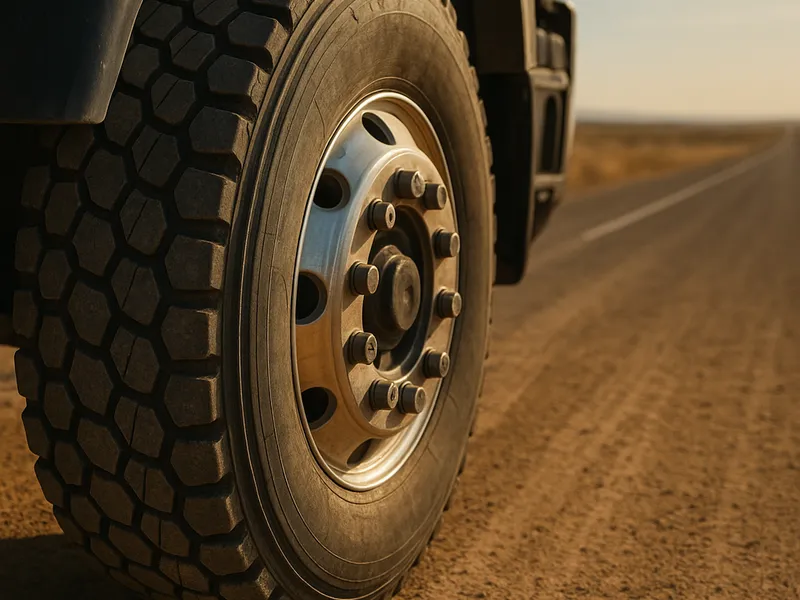
When comparing top manufacturers and sellers, several names consistently appear at the center of the market. Michelin, Goodyear, Bridgestone, Continental, and Pirelli are often cited for their robust commercial lineups that cover steer, drive, and trailer tires. Michelin emphasizes long wear and fuel efficiency, with tires designed for mixed routes and heavy payloads. Goodyear focuses on traction and retreadability in commercial fleets, offering a wide network for fleet support and warranty programs. Bridgestone provides a broad range of highway and regional tires with a focus on durability and consistent performance. Continental emphasizes safety and mileage with sophisticated tread designs and advanced compounds, while Pirelli blends performance with reliability in regional and long haul segments. Other solid options include Hankook, Yokohama, Cooper, and Firestone, which each have their own strengths in price, availability, or retread compatibility. For fleets seeking value, retread programs can extend the life of tires at a lower cost per mile, though they must be evaluated for safety and warranty terms.
Apart from manufacturers, the way you buy tires matters almost as much as the tires themselves. Reputable online marketplaces and retailers frequently offer extensive catalogs of commercial tires, including size compatibility, load index, speed rating, and warranty information. Tire Rack, SimpleTire, and Discount Tire are known for clear specs and knowledgeable staff to help match tires to your vehicle and routes. Some fleets prioritize nationwide service with consistent pricing and door installation; others focus on quick delivery to regional hubs or partner distributors. Local tire shops and authorized dealer networks can provide hands on fitting, wheel balancing, alignment checks, and retread services—valuable for maintaining tire health and avoiding downtime. When choosing where to buy, compare price per mile, warranty coverage, retread options, and after sales support. It is also prudent to verify compatibility with your vehicle’s load specifications and to confirm that tires meet regional regulations for commercial fleets.
If you are responsible for selecting truck tires yourself, a practical process helps avoid costly missteps. Start by listing the vehicle types and typical routes in your operation, then record the required tire size, load index, and speed rating from the door placard or manufacturer documentation. Next, define your priorities: longest wear life, best rolling resistance for fuel savings, or maximum traction for wet weather or off road work. Use these inputs to filter tires by tread pattern and compound; read independent reviews and fleet testimonials to gauge real world performance. Then compare three to five options across at least two reputable retailers or distributors, taking note of price, warranty, retread eligibility, and anticipated delivery times. If you operate a fleet, request quotes for fleet pricing and service packages that include installation, rotation, and regular inspection. Finally, when tires arrive, inspect for any shipping damage, check the date code for freshness, and ensure proper mounting and inflation according to the vehicle manufacturer’s specifications. Regular maintenance—rotations at planned intervals, aligning wheels when wear is uneven, and keeping tires inflated to the recommended pressure—will maximize traction, safety, and the life of your tire investment.
In practice, the most successful tire decisions combine technical specifics with practical logistics. You get better outcomes by pairing the right tire type with your typical load, road conditions, and climate, while leveraging reputable manufacturers and trusted retailers that offer robust warranties and service options. If you operate a mixed fleet, you may benefit from a diversified tire plan that matches different routes to appropriate tires—highway oriented tires for long flat routes and more aggressive tread patterns for regional work with variable surfaces. And for cost containment without sacrificing safety, consider a controlled retread program where viable, paired with proactive maintenance and a tire management policy that tracks mileage, rotation schedules, and replacement cycles. In the end, the tire is not simply a consumable; it is a vital component that influences safety, efficiency, and the reliability of every journey your trucks undertake.