
Two Bedroom Senior Apartments: A Practical Guide to Finding Space, Comfort, and Community
Two bedroom senior apartments are a common choice for older adults who want space for guests, a home office, or hobbies while staying within a supportive community. These units are typically found in independent living communities that cater to seniors, offering a blend of privacy, safety, and social access. The idea is simple: you gain your own residence with room for a visitor or a dedicated space for activities, along with a package of services that can reduce daily chores and maintenance.
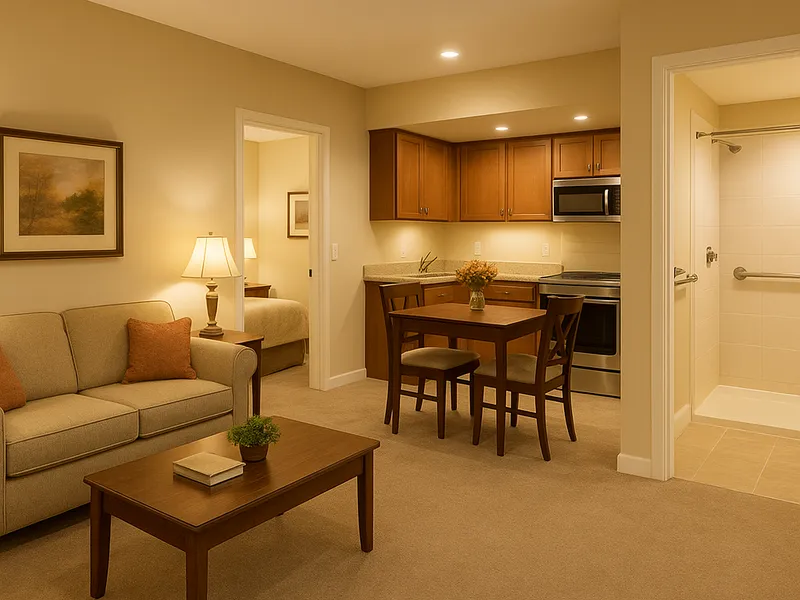
A handy way to picture a two bedroom senior apartment is as a flexible living space that focuses on comfort and accessibility. In practice, you’ll often find a generous living area that flows into a dining nook and a kitchen designed for ease of use. The two bedrooms are sized to accommodate regular furniture and a guest bed or a desk for a small home office. What makes these layouts especially appealing to seniors is accessibility: step free entry, wide doorways, lever handles, and bathrooms with safety features such as grab bars and walk in showers. While every building differs, the overarching goal is to create a home that feels private yet secure, with the option to join community activities or rely on on site services when needed.
Beyond the unit itself, a robust set of community amenities can make a two bedroom apartment even more attractive. Dining rooms or flexible meal plans, transportation options for appointments or social outings, and maintenance crews who handle repairs and yard work free up time for residents to pursue hobbies or socialize. Social life often centers around clubs, fitness classes, and resident gatherings, with staff coordinating trips, educational programs, and cultural events. For many seniors, the sense of belonging is as important as the square footage in the contract.
When you are considering two bedroom senior apartments, cost is a central factor. Costs can vary widely depending on location, level of services, and whether the community operates on a rental or ownership model. Some communities charge a monthly fee that covers maintenance, security, utilities, and certain services; others may require an upfront entrance fee in exchange for a lower monthly rate or enhanced services. It’s essential to read the fine print and understand what is included in the monthly cost, what might incur additional charges, and how the pricing may change over time as needs evolve. If you are balancing finances, ask for a clear breakdown of all fees, potential increases, and what is included in the package versus what you pay separately.
Top providers and platforms help families and seniors compare two bedroom options. In the operator space, large networks offer independent living communities that include two bedroom apartments as a standard plan in many markets. Brookdale Senior Living and Atria Senior Living are two widely recognized operators with substantial portfolios, offering varied floor plans, strong safety programs, and a range of services that can be scaled with needs. Del Webb communities, part of the active adult segment, focus on resort style living with spacious floor plans, including two bedroom designs, in age restricted settings. Sunrise Senior Living emphasizes premium service, with a focus on dementia capable programming in some locations while still providing generous living configurations in two bedroom models. These operators vary in emphasis on cuisine, programming, and healthcare partnerships, so it is worth exploring multiple options to find a fit.
In parallel, several websites act as marketplaces or directories to help you find two bedroom senior apartments. 55places.com is a widely used resource that lets you filter communities by location, price, and available floor plans, including two bedroom layouts. SeniorHousingNet.com aggregates listings for independent living and other senior housing, helping families compare features and contact communities quickly. For direct guidance, A Place for Mom offers concierge style assistance to identify appropriate communities based on budget, location, and preferences, while also helping families navigate care levels and transition plans. While these platforms do not own residential units themselves, they provide valuable search filters, reviews, and practical guidance.
How to approach the search and decision process
Define your needs and budget. Start with core requirements such as preferred location, proximity to family, and a realistic monthly budget that covers rent or purchase costs plus ongoing fees.
Clarify the two bedroom requirement. Consider whether you need an extra room for guests, a home office, or activities such as crafts or exercise. Visualize how you would arrange furniture and whether you will need flexible storage.
Explore floor plans online and during tours. Look for practical traffic flow, kitchen accessibility, closet space, and the presence of features like grab bars, step free showers, and lever handles. Bring a simple checklist to tours so you don’t miss anything.
