
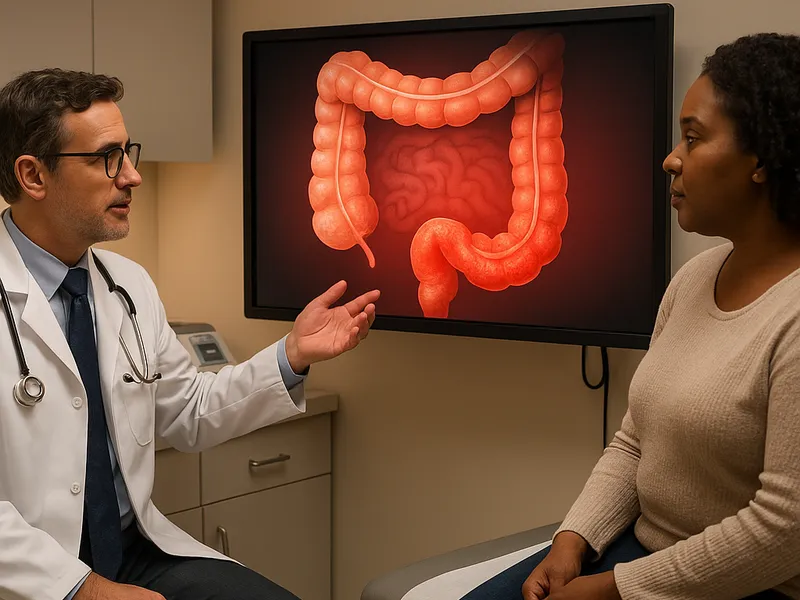
Ulcerative Colitis Videos are a rapidly evolving avenue for education and engagement around a complex intestinal disease. These videos span patient testimonials, physician explanations, animated diagrams of colon inflammation, treatment approaches, and practical day to day management tips. For patients, caregivers, and clinicians alike, video content can translate dense medical concepts into accessible, shareable knowledge. They offer a common reference point for conversations with healthcare teams and support networks, making information more memorable than text alone and reducing ambiguity during decision making.
What makes a good ulcerative colitis video
A high quality ulcerative colitis video typically blends accuracy with accessibility. First, the source matters. Content produced or endorsed by reputable medical centers, professional societies, or peer reviewed journals tends to be more reliable. Second, the presentation should balance clarity with depth. For patients, explanations should cover what ulcerative colitis is, how it differs from other inflammatory bowel diseases, common symptoms, and what to expect from standard treatments such as aminosalicylates, thiopurines, biologics, and potential surgical options. For clinicians, videos that delve into guidelines, risk stratification, and emerging therapies can be valuable when used as patient education aids. Third, visuals matter. Animations showing the inflammatory process in the colon, diagrams comparing healthy tissue to inflamed tissue, and step by step demonstrations of how medications are taken or delivered can dramatically improve understanding. Fourth, accessibility features such as captions, transcripts, and language options expand reach to diverse audiences. Finally, the presence of clear disclaimers about medical advice, and references to authoritative guidelines, helps audiences interpret the content responsibly.
Where to find ulcerative colitis videos and how they differ
There are several kinds of platforms that provide ulcerative colitis videos, each with its own strengths and limitations.
Free consumer platforms: YouTube hosts a wide range of UC content from major medical centers, patient advocacy groups, and independent educators. Pros include broad reach and ease of access; cons include variable quality, potential for outdated information, and occasional commercial messaging. Practical tip: look for videos from established institutions or recognized gastroenterology channels, and cross-check with guideline sources.
Hospital and university channels: Mayo Clinic, Cleveland Clinic, Johns Hopkins Medicine, and other leading institutions maintain YouTube channels and educational pages with UC overviews, symptom checks, treatment explanation videos, and patient stories. These sources tend to be credible, frequently updated, and suitable for patient education as a starting point for conversations with a clinician.
Patient education portals and general health publishers: WebMD, Healthline, NHS (UK), and similar platforms offer patient friendly videos on ulcerative colitis. They provide concise summaries, symptom checklists, and treatment option visuals. While often high quality, content can vary by article or video series, so it’s wise to corroborate with primary guidelines.
