
Clogged drains never arrive at a convenient moment and they tend to pop up in kitchens and bathrooms with little warning. The phrase unclog drains instantly evokes both urgency and relief, a promise that many products and services aim to deliver. In practice the quickest path to relief often depends on diagnosing the type of clog and choosing the right tool for the job. Whether you prefer a chemical solution that flows through a blockage or a mechanical approach that physically removes it, there are proven options that can restore flow within minutes when used correctly.
One of the first questions homeowners face is whether the clog originates from grease and soap scum in a kitchen sink, hair and soap buildup in a bathroom drain, or a more stubborn obstruction deeper in the plumbing. Kitchen clogs are frequently caused by a combination of food particles, grease, and fats that cling to the pipe walls. Bathroom drains, by contrast, are frequently blocked by hair, soap scum, and mineral deposits. Understanding the culprit helps narrow the field to the most effective class of product. For many people, a straightforward approach is the most reliable: a mix of mechanical and chemical methods applied in a safe sequence.
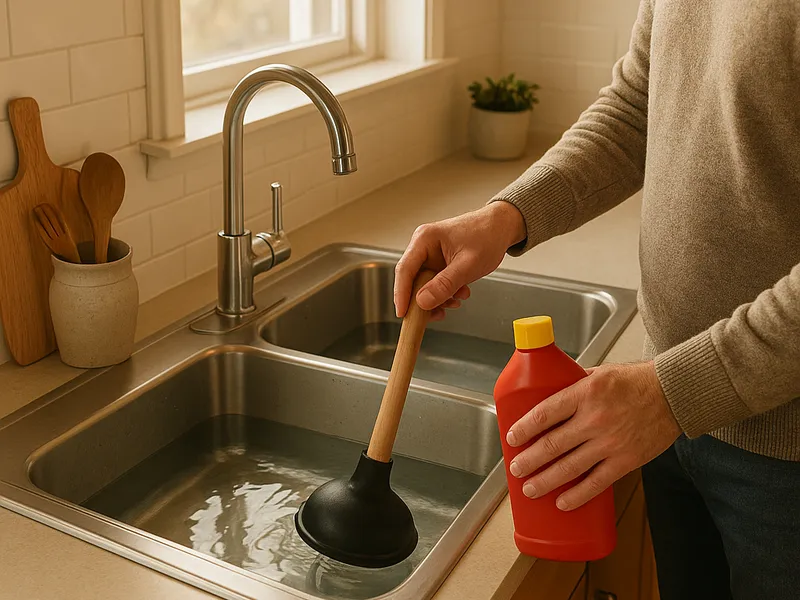
If you want to try an instant DIY approach before bringing in professional help, start with a few simple steps. Begin by boiling water and pouring it slowly down the drain in stages to loosen fatty deposits. If the water drains slowly but steadily, a plunger can often push through the blockage with a few determined pumps. For hair or soap buildup in bathroom drains, a plumber’s snake or a flexible drain auger can be extremely effective at snagging and dislodging the obstruction. When you opt for a chemical option, choose a product that matches your clog type and your plumbing system. Enzymatic cleaners work gradually by feeding on organic material, while caustic cleaners dissolve grease and hair but must be used with caution and are typically not septic safe. Always read and follow the label directions, keep chemicals away from children and pets, and ventilate the space.
Several brands have become household names because they promise fast results and wide availability. Drano remains one of the most widely purchased chemical drain cleaners in many markets. It is designed to target hair in bathroom drains and grease in kitchen lines and is often marketed for instant action when used correctly. Liquid-Plumr is another familiar option, with formulas designed to dissolve organic clogs and maintain clear pipes. For users seeking a more environmentally minded option, Green Gobbler offers enzyme-based and biodegradable formulas that aim to reduce harsh chemical exposure and curb environmental impact. Bio Clean is a professional grade line that emphasizes enzyme cleaning and safe use in septic systems, making it popular for homes that want ongoing maintenance rather than one off fixes. Instant Power, another recognizable name, offers cleaners that focus on rapid action and a broader range of residential plumbing applications.
In comparing these products, several factors matter. Effectiveness for the most common clog types, safety for septic systems, speed of action, odor control, and the potential impact on pipe materials all influence outcomes. Traditional caustic cleaners tend to work quickly on grease and hair but can be harsh on old pipes and are not ideal for homes with septic systems. Enzyme-based cleaners are gentler and kinder to plumbing and septic systems, and they excel as a maintenance solution to prevent future buildup, though they may take longer to show dramatic results on stubborn clogs. Eco friendly formulations often use plant based enzymes and non corrosive ingredients, which can be appealing for households that prioritize environmental impact.
