
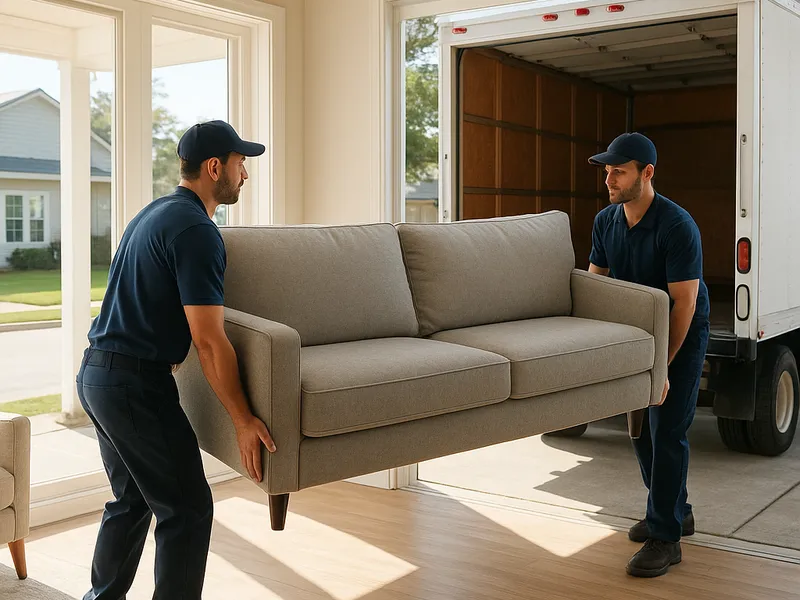
In many homes a moment comes when the empty space around bulky furniture becomes more valuable than the pieces that occupy it. Unwanted furniture removal is more than a chore; it is a practical service that helps people regain room, prepare a house for new occupants, or finalize a move. Whether you are downsizing after the kids leave, sorting through a long overdue decluttering project, or clearing out after renovations, there is a helpfully modern solution that turns a heavy lifting task into a smooth operation. The goal is not merely to haul things away but to do so safely, efficiently, and with attention to what happens to the items once they leave your home.
The market for this kind of service has grown to include a range of professionals who specialize in bulky items, from old sofas and mattresses to oversized dressers and appliances. The basic model is familiar: a crew arrives with a truck, lifts the furniture, and takes it to a destination that could be a donation center, a recycling facility, or a landfill. What varies is how they price the service, how they manage the disposal, and how easy the booking process is. Some clients need a same day pickup, while others plan ahead and prefer a precise appointment window. Many options emphasize convenience and sustainability, offering donation of usable pieces to charities and prioritizing recycling over dumping. If you want a clean space with minimal effort, these services provide significant value.
When you compare top providers, a few names often surface as reliable options with distinct strengths. 1-800-GOT-JUNK is known for its broad coverage and straightforward online booking. The company typically works on a byload or by volume basis and aims to remove items quickly, sometimes offering same day service in metropolitan areas. Junk King emphasizes a two person crew and a strong emphasis on responsible disposal with as much going to donation as possible. They market transparent pricing and a simple booking flow, and they often highlight partnerships with donation centers to maximize reuse. College Hunks Hauling Junk positions itself as a larger moving and junk removal brand with a focus on professional customer service, flexible scheduling, and a emphasis on charitable donations alongside the junk hauling. LoadUp tends to market itself as a technology driven option with online quotes and a focus on eco friendly disposal, including items that can be donated, recycled, or upcycled. The Junk Luggers adds a sustainability angle with a structured recycling and donation program and a network of franchise locations that can tailor service to local needs. In practice, pricing can be highly variable because access points, the number of pieces, stairs, and the distance to the disposal or donation sites all affect cost. If you want to compare, request online quotes with photos of what you intend to remove, and ask for a breakdown of how much goes to donation, recycling, or landfill. Reading customer reviews and looking for local jargon can also help you understand the reliability and value in your region.
To decide which service fits your situation, start with clarity about what you want to accomplish. First, make a quick inventory of items you want removed and group them into two buckets: pieces you still could donate or repurpose, and items that should be discarded. Then consider the easier option for access: can the pieces be moved through standard doorways and stairs, or are they obstructed by tight hallways or narrow landings? If some items are heavily used, damaged, or contaminated, it may affect whether a donation center will take them or whether you must pay for bulk disposal. The next step is to obtain quotes. Most companies offer online forms where you upload photos or answer questions about item volume, access, and preferred pickup times. A few may offer a virtual appraisal where a driver accepts your photos and provides an estimate before arrival. For many households, the value of this step is the assurance that you will not be surprised by hidden fees.
