
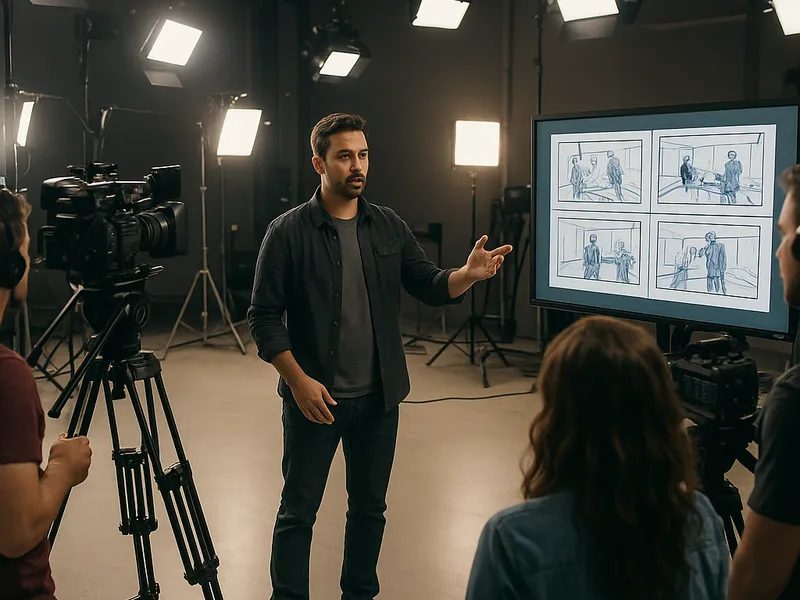
In the United States, video production services have evolved into a core part of many brands’ marketing and communication strategies. From explainer clips that distill complex ideas into simple visuals to cinematic brand films that tell a company’s origin story, professional video production can shape how audiences perceive a product, service, or organization. The landscape spans boutique studios that specialize in high-touch storytelling to larger agencies that deliver scalable, data-driven video programs for ongoing campaigns. If you are considering a move into video content or expanding an existing program, understanding the options, the typical workflows, and how to evaluate providers will save time and money while producing more effective results.
What these services typically include
Most full service video production firms in the USA offer a end-to-end pipeline. You can expect help with goal setting, concept development, script writing, storyboard creation, casting, production, postproduction, and final delivery in multiple formats. The team may also help with voiceover direction, music licensing, motion graphics, color correction, sound design, and optimization for specific platforms such as YouTube, Instagram, LinkedIn, or your website. In many cases, agencies tailor packages around use cases like product demos, corporate communications, recruitment videos, case studies, and social media content.
Choosing the right type of video matters. Explainer videos tend to be concise, script-driven, and designed to educate quickly. Product demos highlight features and benefits with screen captures or live-action demonstrations. Brand films explore a company’s mission with a narrative arc and cinematography that emphasizes emotion. Testimonials leverage real customers to build trust. Social content often requires shorter runtimes, bold visuals, and scalable formats. A strong provider will help you pick a format that aligns with your goals, audience, and distribution plan.
Comparisons of top US video production providers
Lemonlight is frequently cited for affordable, scalable video creation. They emphasize a streamlined process, in-house crews, and rapid turnarounds suitable for growing teams that need steady content without breaking the bank. The emphasis on repeatable workflows makes Lemonlight a practical option for marketing departments seeking a reliable partner to produce recurring video series, testimonials, and explainers.
Sandwich Video, based in Los Angeles, is known for high-concept storytelling and strong creative direction. They often work with tech startups and consumer brands that want a distinctive, memorable voice. The production style tends to be polished, with a cinematic sensibility and a focus on ideation, scripting, and narrative craft. Turnaround times can be longer than more mass-market shops, but the payoff is usually a sharper, more memorable video that can stand out in crowded feeds.
Demo Duck specializes in explainer and animated videos, with a reputation for clear scripts, strong visual metaphors, and clean animation styles. They serve a wide range of industries, including software, education, and healthcare. If your priority is a highly polished explainer or an animated concept that communicates complex information simply, Demo Duck can be a strong choice.
Thinkmojo positions itself as a B2B video marketing partner, often working with SaaS and enterprise clients. The focus tends to be on product storytelling, tutorial videos, and sales-ready assets that align with the buyer’s journey. Thinkmojo emphasizes strategy and messaging alongside production, helping teams create videos that support demand generation, product launches, and onboarding.
Marketplaces and platforms as alternatives
For teams with tighter budgets or more flexible timelines, marketplaces like Upwork or Fiverr can connect you with freelance video producers, editors, and scriptwriters across the country. The upside is cost variety and access to diverse styles; the downside is variability in process, consistency, and production quality. If you go this route, it helps to specify a detailed brief, require a stamped storyboard, and set milestone-based reviews to ensure alignment.
Another practical option is using a platform that combines production and distribution tools. Some studios offer bundles that include planning, production, and distribution strategy tied to a specific channel, enabling you to test different formats and messages while maintaining a consistent brand voice.
How to work with a video production partner
If you’re new to video production or expanding an existing program, here is a practical approach:
Define objectives and audience: Clarify what you want the video to achieve and who you want to reach. This shapes your length, tone, and distribution plan.
Choose a format and style: Decide whether you need an explainer, product demo, brand film, or social cuts. Review portfolios to identify a visual language that resonates with your audience.
