
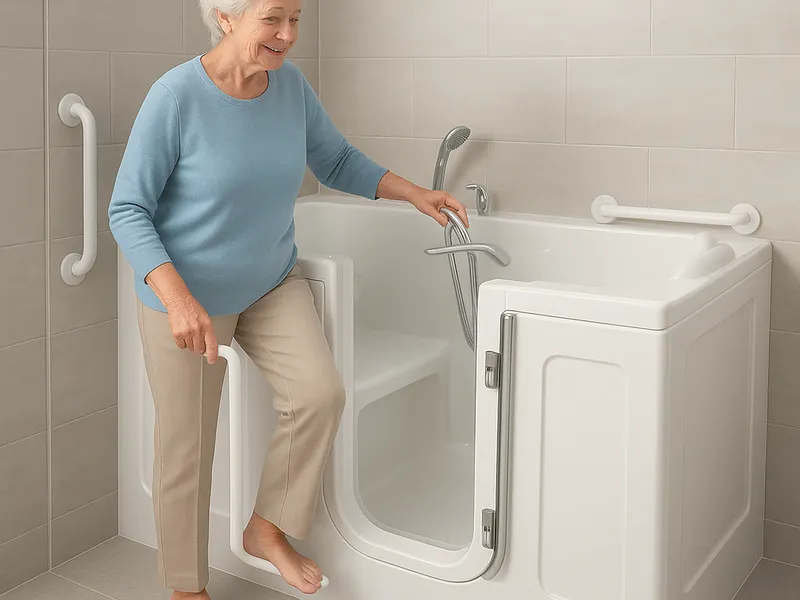
Walk-In Tubs For Seniors are a practical response to the realities of aging at home. For many households they represent more than a luxury feature; they are a strategic step toward preserving independence while reducing the risk of slips and falls in a bathroom. A walk in tub is designed to be accessed with minimal effort, typically featuring a low entry threshold, a door that opens to allow easy entry, a built in seating option, and a layout that accommodates grab bars and adjustable water temperature. In practice, these tubs blend comfort with safety, so daily bathing remains manageable rather than daunting. The goal is not just convenience but a calmer, more controlled bathing experience that reduces anxiety about accidental slips and the need for assistance during a routine task.
When you start to evaluate walk in tubs, the most important considerations are safety, accessibility, and fit with the existing bathroom space. A reliable model will minimize the need to step over a high edge, which is a common trigger for slips. A zero or very low threshold, a door that seals securely against water leaks, and an interior with a contoured seat are essential. In addition, grab bars positioned at practical heights, a non slip floor texture, and a thermostatic mixing valve that maintains a steady water temperature contribute to a calmer bathing routine. Some tubs offer optional features such as built in hydrotherapy jets for muscle relief, heated seats for comfort on cooler days, or a handheld shower wand that is reachable from the seat. The best options deliver a combination of ease of use, robust safety features, and dependable performance.
Space planning is a critical part of choosing a walk in tub. Measure the width and length of the bathroom area, determine whether the tub will replace an existing tub or be installed into a new footprint, and consider door swing clearance if you choose a model with a swinging door. In some bathrooms the door can be relocated to accommodate a wider entry, while in others, an inward swinging door may be better for a compact space. It is also wise to check for surrounding plumbing and electrical needs, as an upgrade may require plumbing rerouting, upgraded electrical circuits for heating or jets, and potentially a new drainage configuration. Many homeowners work with licensed plumbers or bathroom remodeling specialists who offer design guidance, site evaluation, and professional installation. A reputable installer will ensure proper sealing, water tightness, and compliance with local codes, while also helping you select materials that resist mold and make cleaning easier.
Cost and installation timelines vary based on space, configuration, and the level of customization. Walk in tubs can involve more complex installation than a standard bathtub, particularly if a door is added, water lines are moved, or a new drain system is required. In general, you should budget for the tub itself, installation labor, any necessary plumbing or electrical work, and potential bathroom remodel elements like wall panels or tile work. Financing options are often available through manufacturers, local contractors, or third party lenders, and some retailers offer bundled packages that include delivery, setup, and warranty protection. Warranty coverage is a meaningful factor, with many models offering several years on door seals, tubs, and components such as jets, seats, and drains. Reading the fine print helps you understand what is covered and for how long, and whether service is local or requires travel.
