
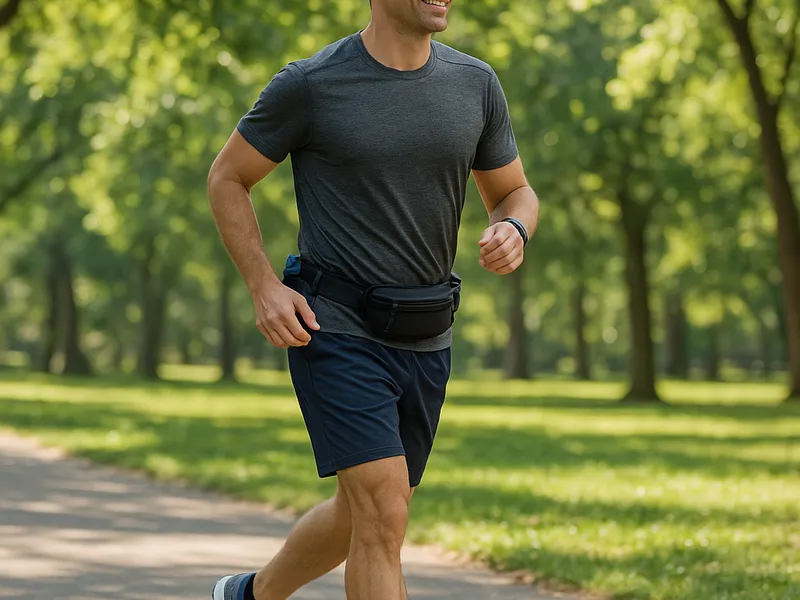
Walking is one of the most approachable ways to move more, burn calories, and improve health without needing specialized equipment or a gym membership. When you couple consistent walking with well chosen footwear and a few practical accessories, the activity becomes more comfortable, enjoyable, and sustainable. The right shoes, supportive insoles, breathable socks, a reliable tracker, and safety gear can turn a short daily stroll into a dependable habit that supports steady weight loss over time.
Footwear is the backbone of a good walking routine. The ideal walking shoe blends cushioning with stability, a secure fit, and durable traction. If you currently wear running shoes for walking, you may notice quicker fatigue in the forefoot or less stability on uneven pavement. Walking shoes are designed with a focus on midfoot stability, a flexible bend at the toe area, and a heel counter that keeps your foot aligned as you roll through each step. Look for a generously cushioned midsole, but avoid excessive softness that can lead to instability over longer distances. A wide or roomier toe box helps prevent blisters and hot spots after an hour on the road or on a treadmill. The insole matters too; many walkers benefit from supportive inserts that address arch height and pronation tendencies.
When it comes to brands and retailers, you have solid options, each with strengths. Brooks Addiction Walker is praised for sturdy support and durability, making it a reliable choice for walkers who need extra stability and a broad, comfortable fit. New Balance offers models such as the 928 series that emphasize arch support and motion control, appealing to those who overpronate or who prefer a snug, secure ride. Skechers Go Walk line stands out for easy on and off wear and cushioned comfort, which is appealing for casual daily walking without the fuss of lacing up. For maximal cushioning and longer walks, Hoka Bondi or similar models deliver plush, savior-like cushioning, though they may feel heavier and bulkier to some. Nike and ASICS also offer versatile walking and crossover shoes that perform well for everyday training and longer weekend strolls. The best choice often comes down to foot shape, pronation pattern, and try-on fit.
Buying guidance is easier with reputable retailers that offer clear return policies and helpful fit services. Specialty stores such as Fleet Feet or Road Runner Sports frequently provide gait analysis and professional fittings, helping you identify the right width, arch support, and cushioning level. Large retailers like Zappos, REI, and Dick’s Sporting Goods offer broad selections, detailed reviews, and straightforward return windows. If you shop online, read size charts carefully and consider trying multiple sizes or widths with free returns. For in person fittings, bring the socks you plan to wear during workouts and note how the heel lifts with each stride. If you’ve had foot pain or a recent injury, a visit to a podiatrist or physical therapist may help determine whether you need a specialized insert or a particular shoe stability level.
Beyond shoes, insoles and socks matter. A quality insole such as Superfeet, Powerstep, or Sof Sole can add arch support and reduce pressure points, particularly if you spend hours on your feet. Choose insoles based on arch height (high, medium, low) and whether you need stability or extra cushioning. Socks should wick moisture, reduce friction, and feel comfortable across miles. Look for seamless toe boxes, breathable fabrics, and adequate cushioning in the heel and forefoot to minimize blisters during longer walks.
