
Warehouse Storage
Article
2025-12-11 • 5 min read

Warehouse Storage

Warehouse storage is more than rows of metal shelves; it is a carefully engineered system that determines how fast products move from receiving to shipping. The way goods are stored directly affects space utilization, labor costs, inventory accuracy, and th...

Warehouse storage is more than rows of metal shelves; it is a carefully engineered system that determines how fast products move from receiving to shipping. The way goods are stored directly affects space utilization, labor costs, inventory accuracy, and the ability to scale with demand. As e commerce and omni channel fulfillment continue to drive turnover, warehouses rely on robust storage strategies to match diverse item shapes, sizes, and turnover rates. The goal is not only to hold goods but to enable reliable pick paths, safe handling, and rapid replenishment. In modern facilities, storage is treated as a strategic platform that supports forecasting, optimization, and lean operations, rather than a passive background element.

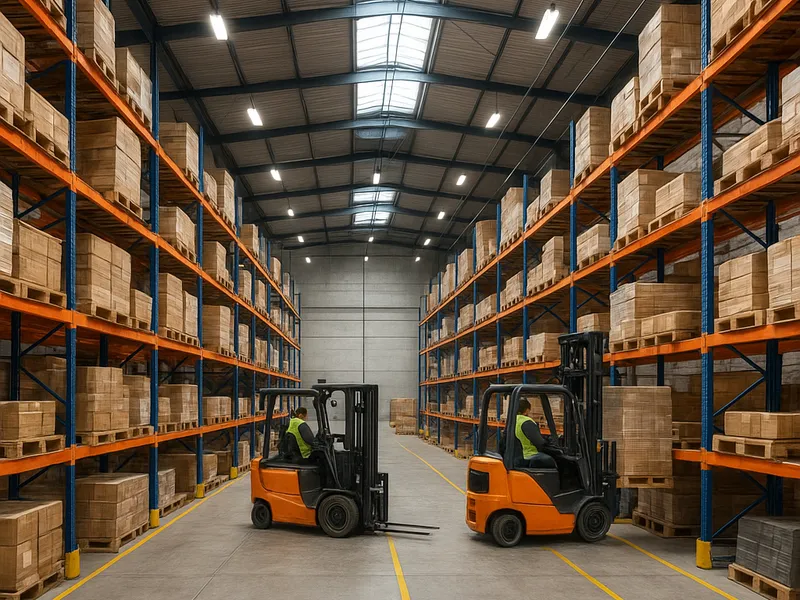
At the core of any warehouse storage plan are two broad families of solutions: pallet racking and shelving. Pallet racking is designed to support unit loads on pallets and can be configured for different density and accessibility needs. Selective pallet racking is the most common option, offering straightforward access to any pallet while maintaining a clear line of sight and easy replenishment. For higher density without sacrificing too much accessibility, drive in and drive through configurations consolidate pallets along a single aisle, suitable for steady demand on a small SKU set. Pallet flow systems add a first in, first out discipline by using gravity to move pallets along a sloped path, improving rotation for perishable or fast moving items. Cantilever racking serves oddly shaped or long items such as pipes, lumber, or coils, where standard pallet frames would be impractical. Shelving systems, built for smaller items, bins, and tools, complement pallet storage by offering versatile levels and adjustable spacing, while mezzanines unlock vertical space by creating additional usable floors within the same footprint. By combining these elements, warehouses can tailor a storage topology that balances density, accessibility, and speed.

Beyond the physical structures, several design considerations determine long term performance. Load capacity is not a single number; it depends on pallet size, item weight, and how systems are anchored to the floor. Height limits matter because ceiling height dictates how many tiers can be stacked and whether a mezzanine is warranted. Aisle width is a critical variable that affects forklift maneuverability and replenishment velocity—narrow aisles increase density but may slow picking if equipment or operators are not optimally trained. The choice of materials and coatings influences durability in environments with moisture, dust, or corrosive exposure. Finally, safety and compliance are non negotiable: pallet racking must be installed and inspected by qualified personnel, and facilities should run regular checks for loose connections, damaged components, and aisle obstructions. OSHA guidelines and local regulations shape many of these decisions and underscore the importance of documented maintenance plans and employee training.

Warehouse Storage

When planning a warehouse storage upgrade, it is helpful to survey existing workflows, future growth, and the types of inventory you handle. Start by cataloging items by size, weight, turnover rate, and packaging. Then sketch a rough layout showing receiving docks, main aisles, staging areas, and shipping lanes. Match item families to the most suitable storage method: bulk items on pallet racking, small parts on adjustable shelving, long goods on cantilever, and fast movers on systems that encourage rapid picking, such as pallet flow or dynamic carton flow. Consider whether you will need specialized features such as climate control, cleanability, or anti corrosion finishes for harsh environments. With a clear map of needs, you can request quotes from manufacturers or distributors and compare not only price but service levels, delivery schedules, installation, and post purchase support.

When it comes to where to buy, several well established suppliers serve varying needs. Uline offers a broad catalog of storage and handling equipment, including pallet racking, shelving, carts, and safety products, with a straightforward online ordering experience that appeals to small and mid sized operations seeking quick procurement. Global Industrial provides an extensive selection of industrial storage solutions, from basic shelving to heavy duty pallet racking, often accompanied by design guidance and bulk purchase options ideal for growing facilities. Grainger is a large procurement platform that combines product breadth with value added services such as engineering support, safety compliance resources, and supplier integration tools, making it a strong choice for larger teams or organizations with formal purchasing processes. For more consumer oriented or smaller scale projects, The Home Depot and its Pro counterpart offer accessible shelving and garage storage options that can suit light commercial setups, home based warehouses, or weekend projects. If you are exploring custom configurations or multiple supplier options, a platform like Thomasnet can help locate manufacturers and fabricators who specialize in bespoke racking and mezzanine systems.

How to do it in practice? Start with a realistic budget and a project timeline that accounts for lead times, installation, and any facility downtime. Gather at least three quotes from reputable suppliers or distributors, and ask for references or case studies from warehouses similar to yours. Request a layout proposal that includes a floor plan, rack types, expected capacity, and a bill of materials. Verify compatibility with existing equipment such as forklifts and safety systems, and confirm installation requirements and warranty terms. Plan for the implementation in stages if continuity of operations is critical; you might begin with high impact areas such as receiving and putaway, then move to dining and staging areas, followed by picking and shipping zones. Finally, establish a maintenance routine: perform regular inspections, document any damage, and schedule periodic re balancing or reconfiguration as your inventory evolves.

Suggestions that tend to pay off include engaging a warehouse design professional or using basic planning software to visualize layouts before committing to purchases. Maintain a current inventory profile to ensure that the chosen storage method keeps pace with product mix and seasonality. Document safety procedures and conduct training for operators on safe stacking, pallet inspection, and correct forklift use. Track key metrics such as storage density, picking speed, and inventory accuracy to measure the impact of any changes and adjust as needed. In the end, the goal is to create a storage ecosystem that reduces handling, minimizes travel distance, and supports dependable service levels for customers.

← Back to all articles