
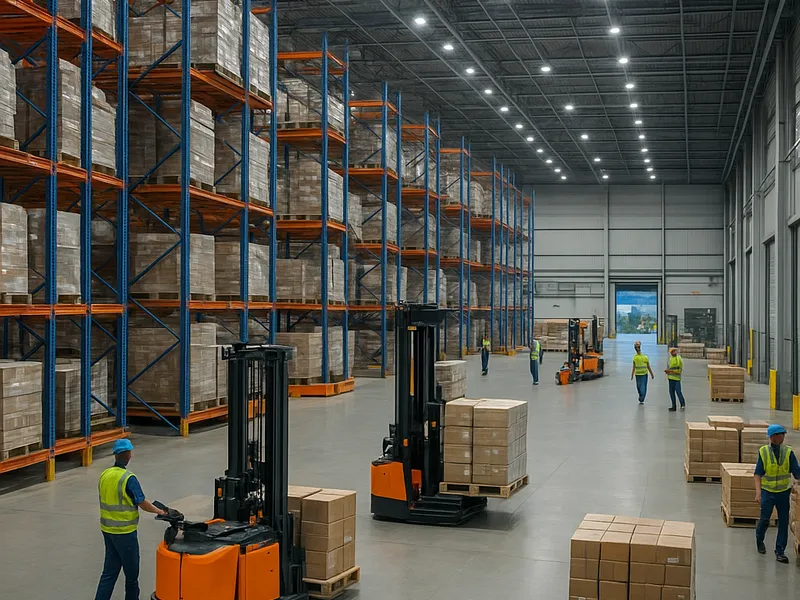
Warehouses have evolved from simple storage spaces into complex ecosystems that power global commerce. Today, a well-placed warehouse is not just about square footage; it is about speed, reliability, and the ability to scale with demand. The rise of e commerce, omnichannel retail, and direct-to-consumer logistics has pushed warehouse networks to become more sophisticated, interconnected, and intelligent. In this landscape, the best operators balance physical capacity with technology platforms that optimize every step from receiving to outbound shipping, while offering flexible terms that match the rhythm of modern business.
Modern warehouses come in several forms, each serving a distinct purpose in the supply chain. Distribution centers are designed for high-volume inbound from manufacturers and outbound to retailers or end customers, often featuring large floor plates and efficient dock layouts. Fulfillment centers, by contrast, are tailored for picking and packing goods for individual orders, requiring rapid throughput and often more precise inventory control at the SKU level. Cold storage facilities address temperature sensitive products such as perishable foods and pharmaceuticals, while bonded or secure warehouses handle regulatory requirements and insurance considerations for specialized goods. And increasingly, warehouses are not just about storage; they function as hubs for value-added services like labeling, kitting, assembly, and reverse logistics.
The operators that own or manage these spaces differ in scale and approach. Prologis, Goodman Group, and GLP are among the largest players with global portfolios that span continents. Prologis operates a vast network of logistics real estate and offers digital tools that help customers locate space, model costs, and coordinate occupancy across regions. Goodman Group emphasizes flexibility and sustainability, curating properties that can adapt to shifting demand while pursuing energy efficient design and green operations. GLP combines real estate with a technology driven platform to optimize asset utilization and provide visibility across its portfolio. In the United States, Duke Realty and Segro in Europe also offer robust networks that complement the big players by focusing on regional strengths or specific market niches.
Beyond traditional owners, the rise of on demand warehousing and third party logistics platforms is reshaping how companies access space. Flexe, Flowspace, and Stord serve as marketplaces and logistics networks that connect shippers with warehouses on flexible terms. Flexe pioneered a model that allows retailers and brands to scale storage and fulfillment capacity up or down without long term leases, making it possible to smooth seasonal spikes or launch new markets quickly. Flowspace does something similar with a network of partner warehouses and intuitive management tools that help customers compare locations, service levels, and rates in real time. Stord integrates warehousing with broader fulfillment and transportation services, creating a more seamless end-to-end solution for brands that want to control costs while protecting delivery speed.
When comparing these providers, several dimensions matter. Coverage and density are key; large operators like Prologis and Goodman boast global footprints that can support multi market strategies, while on demand networks excel at regional coverage and rapid deployment. Service models differ as well. Traditional owners often offer long term leases tied to fixed terms, while on demand platforms provide shorter commitments and more flexible capacity. Technology is another differentiator: a modern warehouse network uses advanced warehouse management systems, real time inventory visibility, analytics dashboards, and API integrations with customers’ ERP or e commerce platforms. Security and compliance cannot be overlooked, especially for regulated goods; customers should confirm certifications, temperature controls, access controls, and insurance terms before signing any agreement. Finally, total cost of ownership matters. Hidden costs such as inbound handling, cross docking, pallet shuffling, or zone based pricing can significantly affect a quarterly or annual budget.
