
Water Treatment
Article
2025-12-10 • 5 min read

Water Treatment

Water treatment remains a foundational element of modern living, shaping not only how we drink water but how we manage health, taste, and even the longevity of plumbing and appliances. In homes around the world, the water that flows from taps often carries ...

Water treatment remains a foundational element of modern living, shaping not only how we drink water but how we manage health, taste, and even the longevity of plumbing and appliances. In homes around the world, the water that flows from taps often carries a mix of harmless minerals and trace contaminants, from chlorine used in municipal treatment to more persistent substances such as lead, pesticides, or PFAS. The goal of water treatment is to reduce health risks and improve taste and odor, while balancing cost, maintenance, and energy use. This article explores what water treatment means today, the different approaches available, and how to choose the right path for a household or business.

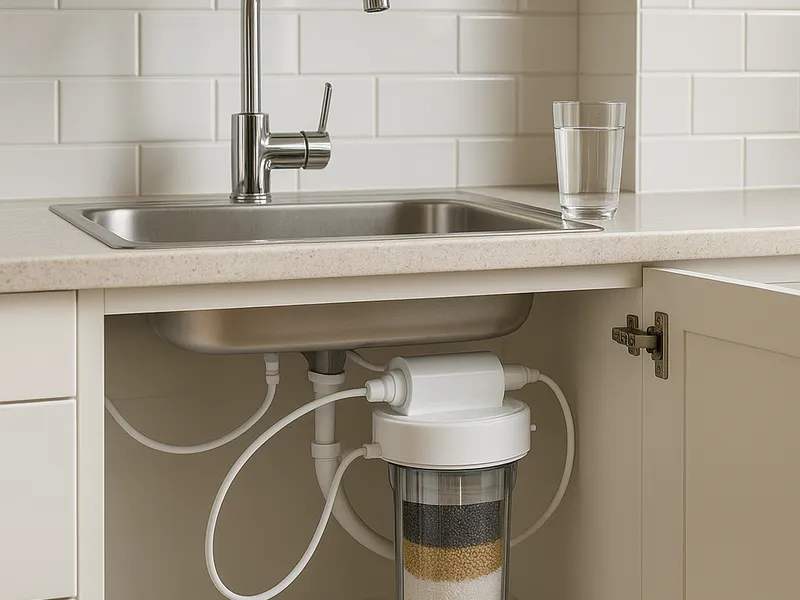
At its core, water treatment can be categorized by where the system acts and what it targets. Point of Use POu devices operate at a single faucet or under-sink location, delivering treated water for drinking and cooking. Point of Entry POE systems, on the other hand, treat all water entering a home or building, protecting appliances and plumbing from scale and contaminants. For most households, a mix of approaches works best: a POE system to reduce hard water minerals and widespread contaminants, plus a POu unit for taste and clarity at the point of use. Within these categories, several technologies are commonly employed.

Activated carbon filtration is perhaps the most familiar technology for many households. Carbon filters excel at removing chlorine, some pesticides, and many volatile organic compounds that affect taste and odor. They are often used in pitcher filters, faucet mount devices, under-sink modules, and whole-house cartridges. Reverse osmosis RO systems push water through a semi permeable membrane to remove dissolved salts, microorganisms, and a broad range of contaminants. They typically sit under the sink or as a compact cabinet system, and they can produce very clean water, though they waste some water in the process and require maintenance. Water softeners use ion exchange to reduce hardness by removing calcium and magnesium, which helps prevent scale buildup in pipes and heaters. Disinfection technologies, including ultraviolet UV lamps or investment in chemical dosing, reduce microbial risk when combined with filtration. Distillation and advanced membrane processes are used in niche or high purity settings.

For consumers, several brands are widely recognized for their reliability and support. Brita and PUR have become household names in the United States and many other markets, offering affordable pitcher filters, faucet attachments, and basic under-sink modules. These brands emphasize ease of use, straightforward maintenance, and clear price transparency. Aquasana positions itself as a more comprehensive solution for homes, with a broad lineup spanning countertop, under-sink, and whole-house filtration, and a focus on multi stage filtrations and healthier mineral profiles. Culligan offers a long standing service network and a portfolio that includes whole-house systems, water testing, and ongoing maintenance through local franchises. Home improvement retailers also carry private label and partner brands, including 3M and GE Appliances, covering point of use and under-sink options with strong accessibility and support.

Water Treatment

For industrial or municipal scale needs, the landscape is more enterprise oriented. Veolia Water Technologies and SUEZ Water Technologies & Solutions provide integrated water and wastewater treatment capabilities for large facilities, campuses, and municipal utilities, often combining filtration, chemical treatment, membrane processes, and advanced analytics. Nalco Water, an Ecolab company, focuses on process water, cooling, and plant efficiency with data-driven services. Evoqua Water Technologies, Xylem, and Pentair supply equipment and systems for drinking water, process water, and industrial applications, ranging from filtration skids to advanced monitoring and control systems. These providers are distinguished by their global service footprints, customized engineering, and long term performance guarantees, though they generally operate at higher capital and maintenance costs than consumer brands.

Choosing the right path involves assessing water quality, usage, and long term needs. A practical first step is water testing. Home test kits can screen for general parameters such as chlorine, hardness, and basic mineral content, while sending a sample to an accredited laboratory can identify heavier contaminants such as lead, arsenic, PFAS, or nitrate. Certifications matter: look for products with NSF/ANSI standards that attest to contaminant removal claims and safe filtration materials. When evaluating systems, consider the following: flow rate and volume requirements, space available for installation, ease of cartridge replacement, energy use, and warranty terms. The cost equation includes upfront equipment price plus ongoing cartridge or membrane replacements, plus occasional professional service if needed.

In terms of practical steps to install and maintain a system, many households can implement a basic approach without professional help. Start by testing your water to identify target contaminants. Decide whether a whole-house solution or a combination of a whole-house system with a point of use filter best meets your needs. Select the filtration method that matches your water profile — for instance, carbon filtration for taste and odor, RO for dissolved contaminants, and a water softener if hardness is a concern. Verify that the chosen system carries credible certifications from NSF or equivalent, and review the replacement interval for filters or membranes. Install or arrange installation through a qualified technician if the system involves plumbing changes or electrical work, and set up a maintenance calendar to remind you when to replace cartridges. Some households opt into service plans with providers like Culligan or local specialists to simplify ongoing maintenance.

The decision often comes down to balancing convenience, cost, and confidence. A basic consumer setup might cost less upfront and be easy to replace filters, but it may not address all contaminants or protect plumbing as comprehensively as a full house system. Industrial and municipal solutions offer robust performance, ongoing monitoring, and lifecycle efficiency, but require capital investment and ongoing professional support. The best approach is to start with clarity about what you want to protect — your health, your appliances, or both — and then select a reputable supplier who can provide an overall solution, maintenance plan, and transparent testing data.

Whether you opt for a simple pitcher filter or a comprehensive whole-house system, water treatment is ultimately about creating clean, safe, and great tasting water with a plan you can maintain over time. Clear water improves daily life, supports healthier cooking and beverages, and reduces scaling and damage to plumbing. It is a practical, high value investment that pays dividends through taste, health, and long term reliability.

← Back to all articles