
Well Water Filtration System Companies
Article
2025-12-12 • 6 min read

Well Water Filtration System Companies

Many households that rely on private wells face a simple truth: the water that comes from the ground is not automatically pristine. Depending on geology and depth, well water can carry iron, manganese, sulfur odors, hardness, arsenic, nitrates, and even microbial contaminants.

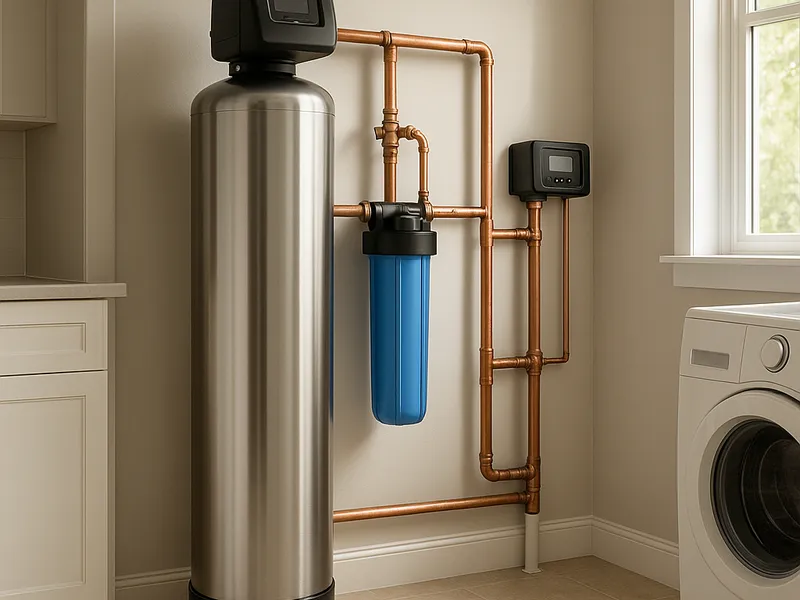
Many households that rely on private wells face a simple truth: the water that comes from the ground is not automatically pristine. Depending on geology and depth, well water can carry iron, manganese, sulfur odors, hardness, arsenic, nitrates, and even microbial contaminants. This has spurred a robust market of well water filtration system companies that provide everything from point of entry whole house solutions to targeted point of use devices, along with in home testing, installation, and ongoing maintenance. The market includes international brands, regional service networks, and direct to consumer retailers. For a homeowner, choosing the right partner means balancing water quality needs, budget, installation logistics, and long term service.

One useful way to think about the landscape is to categorize providers by model and service approach. National service brands often combine in home water testing with a recommended system and a service plan. This can be valuable when you want an actionable, turnkey experience where the installer handles sizing, permits if needed, and periodic filter changes. Regional companies frequently emphasize hands on, local support and tailor systems to the local groundwater profile. Direct to consumer brands or retailers tend to offer a broad catalog of filtration components, with the possibility of a DIY or semi professional installation in regions where support is available. Online marketplaces can be excellent for comparing specifications across brands, but they may rely more on the customer to arrange installation.

A few players commonly cited in well water conversations illustrate how options differ in practice. Culligan has long been a household name and is known for in home water analysis, a consultative sale, and a nationwide service network. Customers often appreciate the coverage and the option to bundle filtration with ongoing service, warranty protection, and guarantees on system performance. The tradeoff can be higher upfront cost and ongoing maintenance agreements, but the upside is predictable service and a local technician who understands regional groundwater quirks.

Aquasana tends to appeal to homeowners who want value through durable components and straightforward, long warranty coverage. Their whole house filtration lines emphasize simplicity and compact installation. They often highlight media such as catalytic carbon and iron removal stages, plus optional UV disinfection for bacteria control. For well owners dealing with odors, tastes, or iron staining, Aquasana systems can be a reliable mid range solution with clear performance expectations and robust consumer documentation.

RainSoft positions itself toward premium, highly integrated solutions that emphasize thorough site evaluation, matched equipment, and long term customer care. Their packages often include multi stage filtration with communication between tanks and fittings designed to optimize flow and efficiency. The premium route generally translates into higher initial investment, but many homeowners value the turnkey installation and the assurance of a brand-backed performance over time.

Pelican Water Systems, a direct to consumer option, typically focuses on accessible whole house filtration with simpler configurations and online education. Their value proposition centers on straightforward installation and predictable product lines that align with common well water issues like iron, sediment, and chlorine taste. For buyers who want to balance cost and capability without a large service footprint, Pelican can be an attractive route.

Well Water Filtration System Companies

Large hardware retailers such as Home Depot and Lowe’s carry a curated line of filtration products that meet common well water problems. For many households, these are the quickest path to a working solution, with in store staff, accessible return policies, and the option of in home installation through third party contractors. The tradeoff is that you may sacrifice some of the depth of testing and custom sizing you get through a dedicated water treatment specialist. If your well issues are straightforward—susceptible to sediment removal or basic taste and odor improvements—these retailers can still be a solid starting point.

Online specialists like WaterFilters.net aggregate models from multiple brands, enabling side by side comparisons of contaminant reductions, filter life, and replacement costs. This can be especially helpful when your well water has a known profile—iron, manganese, hydrogen sulfide, or hardness—and you want to validate options before engaging a local installer. The caveat is that with many online listings you’ll need to coordinate installation, permits, and service separately, which can add to total project time and cost.

If you are weighing top choices, here is a practical approach to compare options and move toward a decision. Start with a trusted water analysis. A comprehensive well water test should cover total dissolved solids, hardness, iron, manganese, sulfur, arsenic, nitrates, and microbial indicators. Have the test performed by a certified lab or a program recommended by a reputable local contractor. Use those results to map the problem to system types: a sediment pre filter for particulates, an iron removal system with a catalytic media or greensand media for heavy iron, a water softener for hardness, carbon filtration for taste and odor, and a UV disinfection stage if bacteria is detected.

Next, decide between point of entry and point of use. A point of entry system treats water as it enters the home, which is ideal for whole house purification, softening, and odor control. A point of use system targets a single faucet or device, like a kitchen sink filtration, and can be cheaper upfront. Many wells benefit from a combination: a POE sediment and iron removal stage, followed by a POE carbon filter for taste, and optionally a UV module for sterilization. For very hard water, consider a dedicated water softener in tandem with filtration, but note that some iron filters and catalyzed media can also reduce hardness moderately depending on the design.

Certification and warranty matter. Look for products with NSF or ANSI certifications indicating performance claims for specific contaminants. Check the warranty on tanks, media, and housings, and understand filter replacement intervals and costs. Confirm service coverage and whether a local technician is available for maintenance or emergencies. If you anticipate frequent troubleshooting or custom groundwater challenges, a brand with a broad service network can save time and stress in the long run.

Finally, plan for installation. Some brands provide professional installation as part of the package; others require you to hire a local contractor. Request a written proposal with system size, expected flow rate, filter media type, and a maintenance schedule. Compare total cost of ownership over five to ten years, including replacement media, salt or non salt regeneration options, and any service or warranty fees.

In practice, a well chosen filtration partner should help you understand the specific contaminants in your groundwater, recommend a system that balances upfront cost with ongoing maintenance, and deliver reliable output across your household. By combining careful testing, a clear plan for POE or POU treatment, and a reputable installer or retailer network, homeowners can reduce risk, improve taste and odor, and protect the plumbing and appliances that depend on clean water.

← Back to all articles