
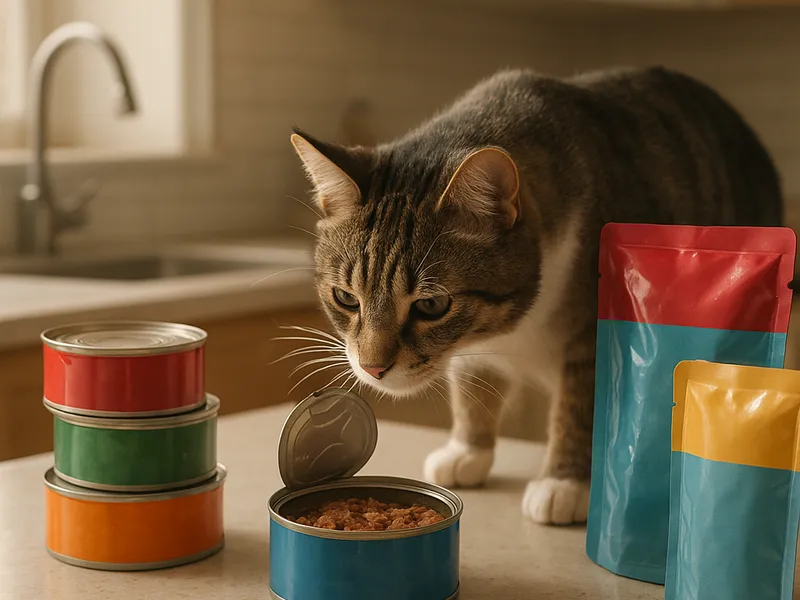
Wet cat food sits at the intersection of hydration, flavor, and nutrition, offering a different experience from dry kibble while helping many cats stay properly hydrated. The products on the shelves range from simple poultry patés to elaborate blends that include fish, vegetables, and broths. For guardians trying to balance palatability, nutrition, and cost, the market presents both abundant options and a few tricky decisions. This article explores what makes wet cat food distinctive, compares some of the leading brands and retailers, and offers practical steps to choose, purchase, and store these meals.
A core advantage of wet cat food is its moisture content. Cats evolved as hunters with relatively low thirst drives, so wet foods can be a convenient way to increase daily water intake and support urinary tract health. That moisture comes with texture variety as well. Canned foods often come in pate, chunks in gravy, or jelly forms. Pate tends to be smooth and uniform, which some cats prefer, while chunks in sauce offer more texture and aroma. Pouches are typically similar in composition to cans but come in single serving sizes, which can reduce waste for households with multiple cats or irregular feeding schedules. Beyond texture, protein source matters. Many lines highlight real meat or fish as the first ingredient, with fewer fillers and artificial additives. Yet price, flavor variety, and diet compatibility vary widely between brands and product lines.
Brand and retailer comparisons help clarify what you get for your money. From a broad availability standpoint, Purina Fancy Feast is a go-to for many households. It spans a wide flavor range and generally carries a lower price point, making it a frequent choice for daily meals and rotation. For guardians seeking premium ingredients and more natural profiles, Wellness offers options centered on real meat and simpler ingredient lists, with formulas designed to appeal to cats with sensitive stomachs or dietary preferences. Hill’s Science Diet and Royal Canin occupy a more veterinary-oriented space. They often emphasize precise nutrition for life stages, weight management, and special needs, and their products are commonly recommended by veterinarians as part of a disease management plan. Merrick, Blue Buffalo, and Nutro sit in the mid to upper mid range, blending real meat with recognizable grains or grain free options to suit different cats’ digestion and energy needs.
When it comes to shopping channels, online retailers dominate the selection game. Chewy stands out for breadth, constant stock, and convenience, along with auto-ship options that simplify recurring purchases and can help manage budget through bundled or discounted pricing. Amazon offers access to a vast catalog and user reviews that can help in choosing flavors and textures, though price and availability can fluctuate with third party sellers. PetSmart and Petco bridge online and brick-and-mortar experiences, giving customers the ability to order online and pick up in store, or to see in-store promotions and exclusive flavors. Walmart often provides competitive everyday pricing and easy pick-up or delivery options, which can be appealing for households already using Walmart for groceries and other essentials. Across these outlets, the best choice depends on priorities like price per ounce, shipping reliability, return policies, and access to auto-ship programs.
