
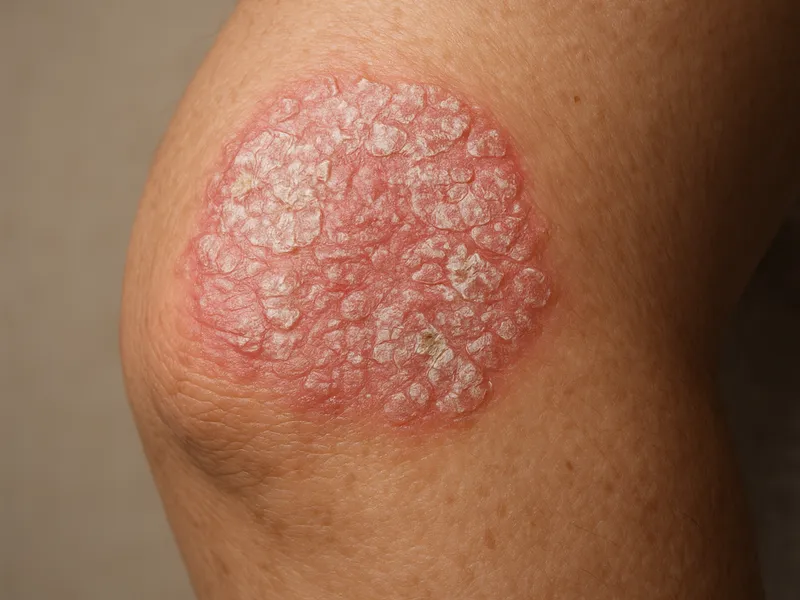
Plaque psoriasis is the most common form of psoriasis, a chronic autoimmune skin condition that accelerates skin cell turnover and causes patches of thick, inflamed skin covered with silvery scales. In everyday terms, these patches—called plaques—often appear as raised red areas with a flaky, white or silvery scale on top. They tend to flare and improve in cycles and can appear anywhere on the body, but they most frequently show up on the elbows, knees, scalp, lower back, and the nails. The appearance can vary from person to person, and factors like stress, infections, skin injuries, and certain medications can trigger outbreaks or worsen existing plaques.
What the plaques look like versus other conditions
Plaque psoriasis plaques are typically well defined with clearly demarcated borders. The skin beneath may feel thickened or tight, and surrounding skin can be irritated or inflamed. On the scalp, plaques can extend beyond the hairline and cause flakes that resemble severe dandruff. In the nails, psoriasis can cause pitting, roughness, thickening, or discoloration. In contrast, eczema often presents with more diffuse itching and moisture, while fungal infections might cause ring-like rings and more uniform border staining. Recognizing the texture, location, and pattern of lesions is important, but a formal diagnosis should come from a clinician, especially if plaques are widespread or accompanied by joint pain, which could signal psoriatic arthritis.
How to tell it apart and what to expect clinically
Plaque psoriasis can vary in severity. Mild disease may involve a few patches with minor itching; moderate disease covers larger areas or more persistent plaques; severe disease may involve extensive skin involvement, intense itching, cracking, and pain. Some people experience scalp, nail, or joint involvement in addition to skin lesions. Diagnosis is often clinical, based on the appearance and distribution of plaques, though a dermatologist might perform a skin biopsy to confirm the diagnosis in uncertain cases or to rule out other conditions. Because psoriasis is autoimmune, triggers matter. Infections, stress, skin trauma (Koebner phenomenon), certain medications, and hormonal changes can influence flare-ups.
Treatment overview and what is commonly available
Treatment aims to reduce inflammation, slow skin cell turnover, relieve itching, and manage scales. Options range from over-the-counter care to prescription medications and specialized therapies:
Topical treatments: Emollients to restore moisture are foundational. For active plaques, topical corticosteroids reduce inflammation and itching. Vitamin D analogs such as calcipotriol may be used alone or with steroids. For some patients, coal tar products or salicylic acid preparations help remove scales and soften plaques.
Phototherapy and light-based therapies: Ultraviolet light exposure under medical supervision can dramatically reduce plaques for many people. Home UV phototherapy devices exist but require proper guidance to minimize risk.
Systemic therapies: For widespread or stubborn disease, oral or injected medications that affect the immune system may be prescribed. These include traditional systemic agents like methotrexate or cyclosporine, as well as newer biologic medicines that target specific immune pathways (for example, inhibitors of TNF or interleukins). The choice depends on disease severity, distribution, patient health, and how well someone tolerates a given medication.
Skincare routine: Gentle cleansing, fragrance-free products, and regular moisturization help maintain skin barrier function and reduce itch and irritation. In some cases, clinicians recommend specific cleansers or medicated shampoos for scalp involvement.
