
What Happens At A Cremation United States
Article
2025-12-09 • 6 min read

What Happens At A Cremation United States

Across the United States families choosing cremation encounter a process that blends practical steps with deeply personal decisions. Cremation is a form of final disposition that offers flexibility in timing and ceremony, and it is supported by a wide netwo...

Across the United States families choosing cremation encounter a process that blends practical steps with deeply personal decisions. Cremation is a form of final disposition that offers flexibility in timing and ceremony, and it is supported by a wide network of funeral homes, crematories, and specialized providers. Understanding what happens from the moment a death occurs to the moment remains are respectfully returned can help families plan with clarity and dignity.

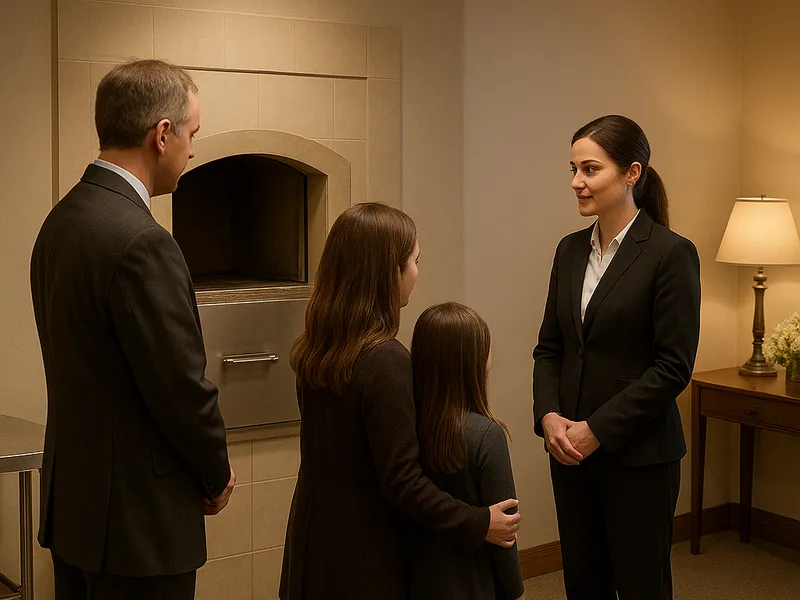
The process usually begins with a choice between two broad paths: direct cremation and a traditional approach that includes a service before cremation. Direct cremation omits a formal funeral service prior to the cremation; instead, the remains are prepared and cremated soon after death, with the cremated remains returned to the family in a suitable container. A traditional path might include a visitation or viewing, a funeral service, and only afterward is cremation performed. In both cases, the arrangement is typically handled through a funeral home or a cremation society, and the choice often hinges on personal or religious preferences, family expectations, and budget.

Legal and administrative steps form the backbone of the process. A death certificate is issued by the local authorities, and a cremation permit or authorization is required before any cremation can take place. This documentation ensures proper identification and chain of custody from the time of death onward. Families may be asked to provide next of kin information, a social security or state identification number, and details about the person’s surviving relatives. The entrusted professional will also verify the identity of the deceased and confirm any special instructions regarding the disposition.

Preparation of the body is a careful and regulated step. In many cases the body is prepared in a designated area by trained personnel. Items such as jewelry are usually removed, and medical devices that could pose a risk or interfere with the cremation process, like pacemakers, are removed. Some implants can be hazardous during cremation and are disposed of or extracted in accordance with safety rules. The body is then placed in a cremation container, which is a sturdy, combustible box or SKU that complies with local regulations and health standards. The container is used to transport the body to the crematory chamber.

The cremation itself takes place in a chamber designed to apply controlled, high heat. The process reduces the body to bone fragments, which are then processed into a much finer powder-like material commonly referred to as cremains. The exact duration can vary depending on the size of the individual and the equipment, but it is typically a matter of a few hours from ignition to the final remnants. Metals from implants, dental work, or prosthetics are removed before processing the remains, ensuring the final cremains are safely and respectfully handled.

What Happens At A Cremation United States

After cremation, the remains are placed in a container or urn chosen by the family. This final container can be as simple as a robust fiberboard box or more decorative, crafted urns, depending on preference and budget. The cremains can be kept by the family, interred in a cemetery, scattered in a designated area where permitted, or memorialized in a niche or garden setting. Regulations on scattering vary by state and locality, so planning often includes checking local rules and obtaining any necessary permissions.

Choosing a provider is not merely a price decision but a matter of service scope, transparency, and support. In the United States there are several large national networks and many regional firms that offer cremation services. Dignity Memorial, the brand associated with Service Corporation International, is one of the most widely available networks and can handle both direct cremation and services with a memorial component. Neptune Society is another well known option that emphasizes straightforward cremation services and online preplanning, often appealing to families seeking a simple, streamlined process. In addition to these national players, there are regional providers and independent funeral homes that offer competitive pricing and personalized service. For families focused on environmental impact, green or eco friendly cremation options are available in many markets. These may use water based or other methods designed to reduce energy consumption and emissions, and they may partner with local crematories that specialize in sustainable practices.

Prices for cremation vary widely across the country due to differences in state regulations, facility charges, transport costs, and optional services. A direct cremation without a funeral service is typically one of the most affordable paths, while traditional services that include visitation, ceremonies, and a formal cremation can be significantly more expensive. Shopping around, asking for itemized estimates, and understanding what is included in each package helps families compare apples to apples and avoid unexpected costs. It is wise to ask about what is included in the basic service fee, whether the arrangement includes the transfer of the body, the use of the crematory, the return of cremains, and any visitation or ceremony spaces.

If you are planning or assisting someone with cremation arrangements, a practical approach is to start with clear preferences and then secure the necessary documents. Gather personal information, preferred services, and any religious or cultural customs that should be honored. Decide whether you want a formal ceremony, a memorial gathering afterward, or a simple, private disposition. Then compare providers by asking for written estimates, service options, and a timetable for the process. Ask about urn choices and whether you will receive the remains in a basic container or a chosen urn, and inquire about opportunities for a meaningful memorial, such as a service in a church, a park, or a family home.

For families who wish to honor the life of the deceased in distinctive ways, cremation offers flexibility. Memorial services can be held before or after the cremation, or even at a later date when relatives can gather. Cremation allows families to keep cremains close in a personal keepsake, commission a custom urn as a tribute, or scatter in a place of significance with the proper permissions. If a family is interested in environmentally friendly options, the option of green cremation can be discussed with providers who specialize in eco friendly methods and can guide decisions about the most responsible choice from a sustainability perspective.

In sum, the path through cremation in the United States is marked by choice, regulation, and care. Whether opting for a direct cremation to simplify the process or scheduling a service first to celebrate life before the final disposition, families have access to a broad ecosystem designed to support dignity, transparency, and meaningful remembrance. By engaging with reputable providers, understanding the required steps, and aligning decisions with personal values, families can navigate the process with confidence and compassion.

← Back to all articles