
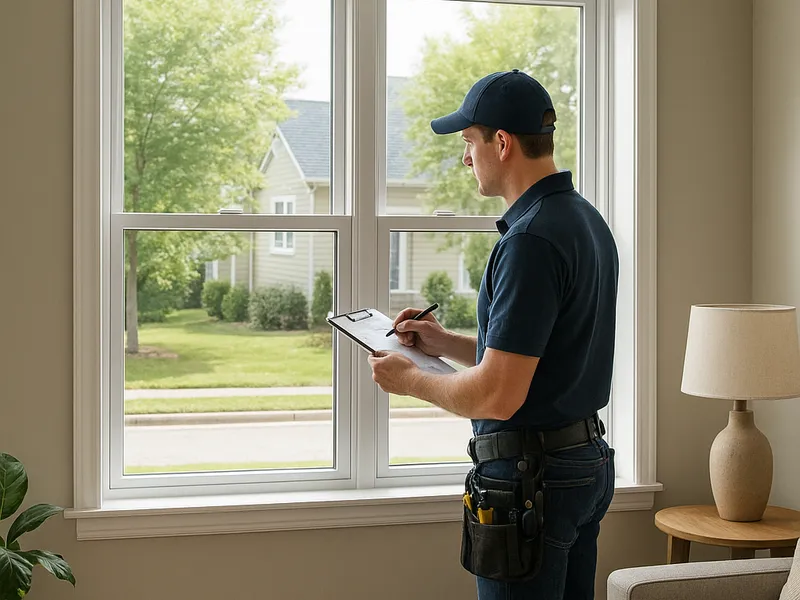
Choosing a window replacement company is as much about the team as the product. The right company can transform not only how a home looks but how it performs. If you are evaluating options, you’ll likely encounter a mix of dedicated replacement specialists, large hardware retailers offering installation, and regional firms with a narrower focus. The key is to understand what each option tends to bring to the table in terms of product range, service scope, warranties, and value over time.
What window replacement companies typically offer
Most professional providers begin with an in home consultation to assess the project, confirm the size of openings, and discuss design goals. From there you can expect a combination of product selection, measurement accuracy, and careful installation planning. In many markets you will see options for vinyl, wood, fiberglass, and aluminum frames, with a range of glazing choices such as double or triple panes, Low-E coatings, and gas fills to improve energy performance. The actual window look can vary from traditional to modern, and you may have choices in sashes, hardware finishes, grids, and exterior colors.
Energy efficiency is often a central selling point. Reputable companies will highlight Energy Star compliance and NFRC ratings for the insulated glass units, which quantify how well a window keeps heat in during winter and out during summer. Some brands also emphasize sound attenuation, security hardware, and maintenance considerations. Warranties are another critical factor. Expect a product warranty covering the window itself and an installation warranty that protects against leaks, air gaps, and workmanship defects. Financing options, seasonal promotions, and bundled services with door replacements or exterior renovations are commonly offered by larger providers.
How to do it: steps from start to finish
Define goals and budget: decide on the level of energy performance you want, and whether you prefer maintenance friendly vinyl, the aesthetic of wood, or the durability of fiberglass.
Gather information: identify the number of openings, the style you want (double hung, casement, sliding, bay, or picture), and any design details that matter to the home’s character.
Get multiple quotes: approach at least three providers to compare products, installation approaches, and warranties. Ask for a written estimate that itemizes product, hardware, glass options, and removal and disposal of old windows.
Check credentials: verify licenses, insurance, and any local permits that may be required. Look for installers with manufacturer certifications or recognized training programs.
Compare energy performance and warranties: request NFRC ratings and Energy Star details, and read warranty terms carefully for what is covered and for how long.
Review installation scope: understand whether the company is doing full frame replacements, pocket replacements, or a mix. Full frame replacements often require interior and exterior trim work and surface refinishing.
Prepare for installation day: confirm access, protect furnishings, and discuss ventilation and dust control with the crew. Plan for any structural or moisture-related issues that might need addressing before or during installation.
Post installation checks: test operation, ensure air and water sealing, inspect for fit and finish, and confirm the presence of the warranty documentation and care instructions.
