
Best Screen Protectors: Glass vs Film (and Which to Pick for Your Phone) Sell on Amazon
Article
2026-01-22 • 6 min read

Best Screen Protectors: Glass vs Film (and Which to Pick for Your Phone) Sell on Amazon

Best Screen Protectors: Glass vs Film has become a common consideration for anyone looking to protect a smartphone while preserving the look and feel of the display. The core decision is often between tempered glass protectors and flexible film protectors. ...

Best Screen Protectors: Glass vs Film has become a common consideration for anyone looking to protect a smartphone while preserving the look and feel of the display. The core decision is often between tempered glass protectors and flexible film protectors. Each option has its strengths and trade offs, and the right choice depends on your device, usage, and priorities such as cost, installation ease, and edge coverage. This guide surveys what to look for, compares leading brands and retailers, and provides practical steps to pick and apply the best protector for your phone.

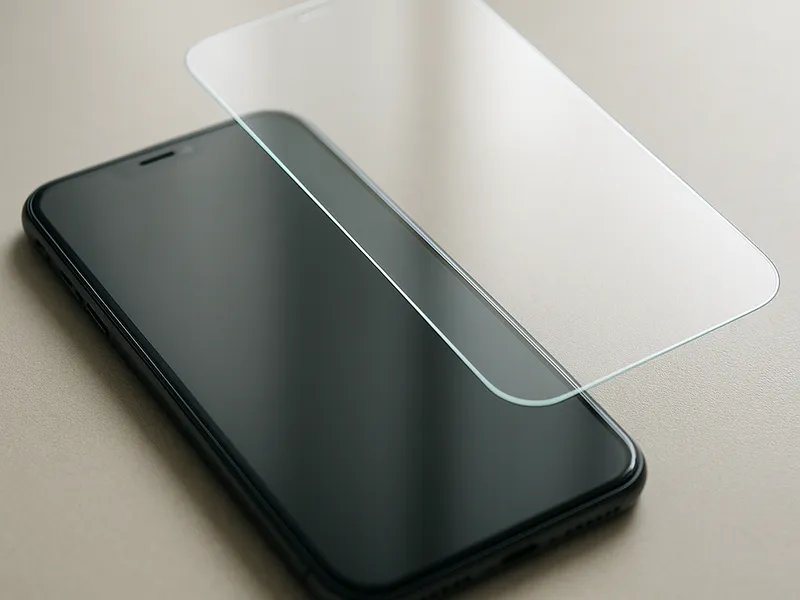
Tempered glass protectors are designed to mimic the solid feel of a real screen. They sit on top of the display and provide a high level of scratch resistance, often rated around nine on the hardness scale. The result is a crisp, clear viewing experience with tactile feedback similar to the original screen. For many users, the primary appeal is protection against shattering or deep scratches from keys, coins, or a drop where the glass is more likely to take the brunt of the damage. Glass protectors also tend to be easier to clean and resist fingerprint smudges due to oleophobic coatings in most premium models. However, their thickness can slightly alter the touch experience on some devices, and on phones with very curved edges you may encounter minor edge lift or less than perfect cover on the curves.

Film protectors, often made from PET or TPU materials, are thin, flexible, and generally cheaper. They provide good basic protection and are less likely to interfere with the screen’s touch sensitivity on average. Because they are flexible, film protectors can conform better to curved edges and are easier to align during installation, reducing the chance of bubbles. They may feel a touch different to the touch compared with glass, and while many come with anti fingerprint coatings, they can show micro scratches more easily over time. The biggest advantage is cost and ease of replacement; if you tend to replace protectors every few months, film options can be economical and effective. For those who want a nearly invisible shield, a high quality film can be a solid choice if installed carefully.

In the market today, several brands and retailers consistently deliver reliable glass and film protectors. ZAGG InvisiblesShield remains a recognized name for glass protectors across many major devices, offering a wide range of edge to edge options with robust warranties. ESR is another popular choice, especially on ecommerce platforms, providing a balance of price, performance, and clean installation. Spigen and Belkin offer both glass and film protectors with clear packaging and straightforward installations, often bundled with cleaning kits. amFilm is well known for affordable yet dependable film protectors that ship quickly on marketplaces like Amazon. OtterBox sometimes extends its own line of screen protectors, typically focusing on the rugged end of protection for devices in demanding environments. Tech Armor and Skinomi offer budget friendly glass and film choices that are frequently promoted with easy to follow installation guides.

When you shop, major web outlets like Amazon, Best Buy, and direct brand stores are common sources. Amazon carries a wide selection from many brands, often with bundled installation kits and customer reviews that help you gauge real world performance. Best Buy and Walmart offer both in store and online options, which can be convenient if you want to see protective sheets in person or quickly pick up a compatible protector for your device. Official brand sites usually list specific models and provide compatibility information that can be essential for devices with curved screens or unusual cutouts. Reading reviews remains one of the best ways to gauge real world edge coverage, clarity, and touch feel before committing.

Best Screen Protectors: Glass vs Film (and Which to Pick for Your Phone) Sell on Amazon

Choosing between glass and film comes down to a few practical considerations. If you want the most natural screen feel and maximum scratch resistance for a flat or minimally curved display, tempered glass is typically the best pick. Look for edges that are rounded and seamless, a strong adhesive, and an oleophobic coating that resists fingerprints. If installation flexibility, edge compatibility on curved displays, and lower upfront cost are your priorities, a high quality film protector may suit you better. For devices with pronounced curves or very tight fit areas, check the product notes for edge coverage and whether the protector uses full screen or partial coverage designs.

Installation matters as much as the protector itself. Regardless of glass or film, preparation is key. Start with a clean, dust free surface. Use a microfiber cloth and a cleaning wipe to remove all smudges and oils. If the kit includes dust removal stickers, use them to capture any micro particles that might otherwise cause bubbles. When applying, align the protector with the device’s front camera cutouts, speaker holes, and edges. For glass protectors, you might lay the protector down gently and press starting from the center outward to push out air. For film protectors, you typically peel away the backing gradually while guiding the protector to avoid trapping air. If bubbles appear, use a soft card or squeegee to push them toward the edge. Allow a short cure or set time if the package recommends it, and avoid pressing around the area until the adhesive fully settles.

Maintenance and longevity are worthy of attention. Glass protectors can last a long time if you avoid heavy impacts and keep the surface clean; the main threat is chipping at the edges or cracking after a significant drop. Film protectors may wear more quickly, especially on rough surfaces or if subjected to frequent friction, but they are easier to replace and often cheaper to replace in bulk. If you expect frequent changes due to new phone models or evolving screen shapes, the film option could be a practical ongoing investment. Check for a manufacturer guarantee or replacement program, as many brands offer a one year or more warranty on screen protectors against defects or lift.

Shopping tips to maximize satisfaction include comparing hardness ratings, coating quality, edge design for curved screens, and whether a bundle includes installation tools. If you own a high end device with glass edges that curve near the sides, look for protectors specifically designed for curved displays to minimize edge gaps. If you want the strongest pair of arguments for speed, some retailers offer same day dispatch on popular models, which can be a factor if you are upgrading a device before travel or an important event.

In the end, the choice between glass and film is about balance. If you prize a premium feel, maximum scratch resistance, and straightforward cleaning, tempered glass by brands like ZAGG, ESR, or Spigen is often worth the extra cost. If you value cost effectiveness, ease of installation, and clean alignment on curved displays, quality film protectors from amFilm or similar brands can be a compelling alternative. Regardless of your pick, following proper cleaning, alignment, and installation steps will help you get the most from your screen protector and extend the life of the display beneath it. Consider your device, your environment, and your preference for feel and protection, and you will find a protector that fits your daily routine without sacrificing the essence of the screen you rely on every day.

← Back to all articles