
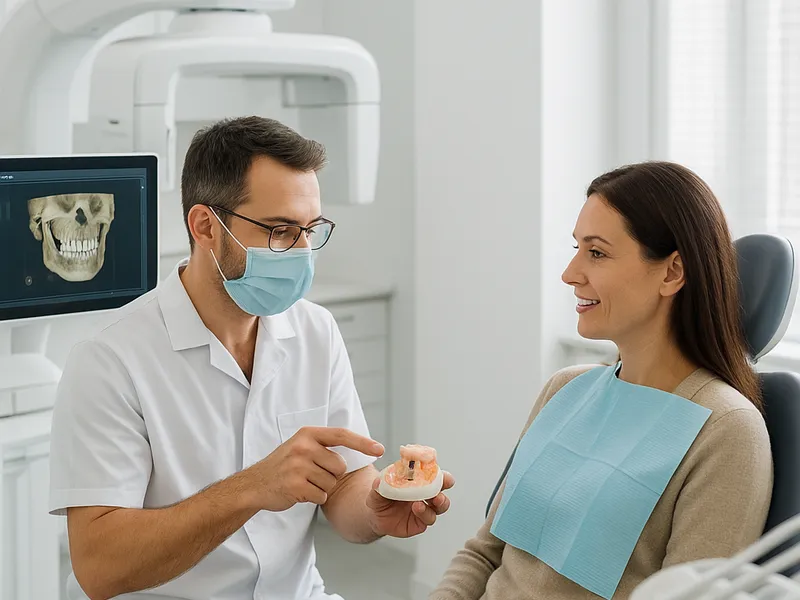
For many people in the United Kingdom, restoring a missing tooth with a dental implant is not just about aesthetics; it is a decision that can transform chewing efficiency, speech, and overall satisfaction with daily life. Dental implants are small titanium posts that are surgically placed into the jawbone to act as artificial roots for crowns, bridges, or overdentures. The concept is straightforward, but the journey to a finished implant restoration involves several steps, choices, and, of course, costs that can vary dramatically from clinic to clinic.
One of the first questions people ask is how much dental implants cost in the UK. In private practice, prices for a single implant with a crown and final restoration can range widely, typically around two thousand to five thousand pounds. The variation comes from factors such as the complexity of the case, the need for preliminary procedures like bone grafting, the type of crown chosen, and the expertise of the surgeon. A straightforward implant in a young, healthy patient without bone loss can be on the lower end, while more complex cases that require bone augmentation, multiple implants, or full-arch solutions can push the price higher. It’s important to view the quote as a holistic treatment plan rather than a single fee, because the cost may include consultation, imaging, surgical placement, prosthetic work, and aftercare.
In the UK private market, several well-established clinics offer dental implant programs, and it is helpful to compare them not only by price but also by the breadth of services and the credentials of the clinicians. Portman Dental & Cosmetic Surgery is one example of a clinic with a long-standing reputation in cosmetic and restorative dentistry, including implants. They emphasize comprehensive treatment planning, often using digital imaging and 3D planning to tailor a solution to each patient. The London Smile Clinic is another prominent provider that highlights implant planning with modern imaging and a multidisciplinary approach that can cover surgical placement, gum contouring, and final crown restoration under one coordinated program. A third category of providers includes specialist implant clinics that focus on implants with an emphasis on precision surgery, guided implant placement, and robust aftercare programs. When comparing these options, consider factors such as the surgeon’s experience in implant dentistry, the clinic’s use of advanced imaging (such as cone beam CT), the availability of guided surgery, and the quality of the prosthetic components.
If you are starting to explore implant treatment, here is a practical path to follow. Begin with a private consultation to assess your oral health, bone availability, and bite dynamics. A good clinic will perform an examination, take X-rays, and, if necessary, a cone beam CT scan to map the jawbone in three dimensions. This imaging helps determine if a bone graft or sinus lift is needed before placing the implant. The treatment plan should outline the number of implants required, the expected healing period after surgery, and the timeline for the prosthetic phase. The surgical phase involves placing the titanium post into the jawbone, followed by a healing period during which osseointegration—bone growing around the implant—occurs. Once healed, an abutment is placed and a custom crown is fabricated to match your bite and appearance. In some cases, temporary restorations may be used while the final crown is prepared. Maintenance after placement is critical, typically involving regular dental checkups, meticulous oral hygiene, and occasional professional cleanings to preserve both the implant and surrounding gum tissue.
