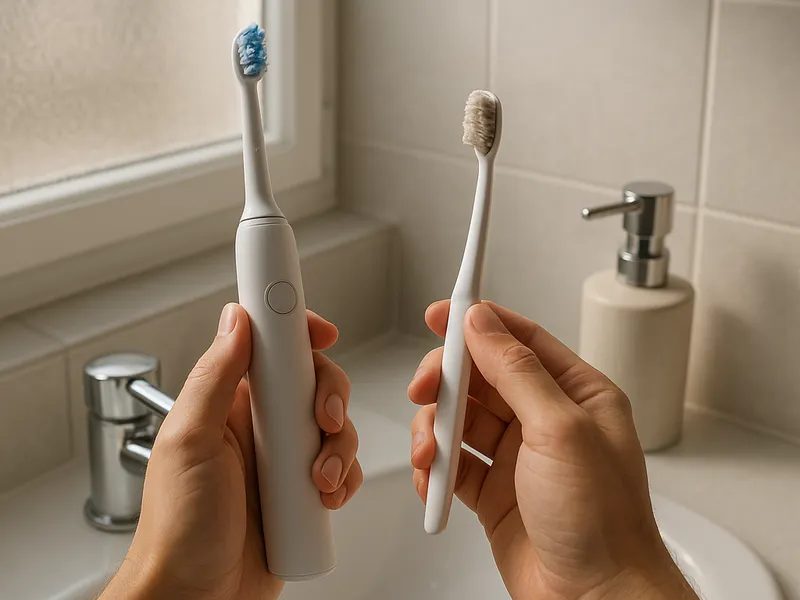
Pricing and accessibility vary widely. Entry level electric brushes are often priced in line with many other household tools, while premium models add features such as multiple cleaning modes, enhanced sensors, travel cases, and longer battery life. Major brands and retailers aim to accommodate different budgets, with frequent promotions and bundles that include head replacements. On mainstream e commerce platforms you will find quick delivery and access to a broad selection of models and accessories. If you are new to electric brushing, it can be useful to start with a well known brand that offers a mix of affordable replacements and clear guidance on how to maintain the device over time.
If you want a quick start, consider the top players who push broad compatibility with a range of brush heads and features. Oral B is known for a rotating oscillating brush head that provides a strong, consistent feel across most mouth areas. The brush is often compatible with a variety of replacement heads which makes it a flexible option for families and people with braces or sensitivity. Philips Sonicare emphasizes sonic cleaning, gentle action, and a reputation for soft contact with gums. Their broad lineup includes models intended for travel and for deeper cleaning, with brush heads designed to maximize surface contact and minimize brushing time while covering all zones. Colgate competes with accessible designs that meet everyday cleaning needs at modest price points, delivering reliable performance for those who prefer straightforward operation. In the budget segment, brands such as Fairywill offer affordable electric brushes that bring essential brushes heads and basic modes without the higher price tag. There are niche options like Quip, which blends a minimalistic mechanism with a subscription model for brush head replacements and simple design. For many buyers, the best pathway is to try a mid range model from a trusted brand and assess whether the extra features align with the daily routine and comfort.
Where to buy is almost as important as what you buy. Official brand sites provide the most precise information on brush heads, compatibility, and warranties. Large retailers such as Amazon, Walmart, Best Buy, and Target stock a wide selection and user reviews that can help you compare feel and performance in everyday use. Reading consumer reviews is helpful, but you should also check the specific model’s emphasis such as whether it has a pressure sensor, built in timer, multiple modes for sensitive gums, or a travel friendly design. If you have orthodontic appliances or gum sensitivity, pay attention to claims about gentle modes, round heads, and smaller brush heads that adapt to confined spaces.
Choosing between an electric and a manual brush ultimately comes down to your routines and expectations. If you value convenience, consistent coverage, and the occasional guidance from built in timers or pressure sensing, an electric toothbrush can lift your brushing practice. If you want to minimize spending and you are confident in your technique, a manual brush might suffice for your needs. Either choice benefits from quality toothpaste, mindful brushing habits, and regular replacement of worn bristles or heads. A practical approach is to identify a model you can enjoy using in daily life, then commit to a consistent brushing routine and a clear plan for maintenance such as head replacements and proper storage. In the end, the most effective toothbrush is the one you actually use on a regular basis, with good technique and a clean mouth as the priority.