
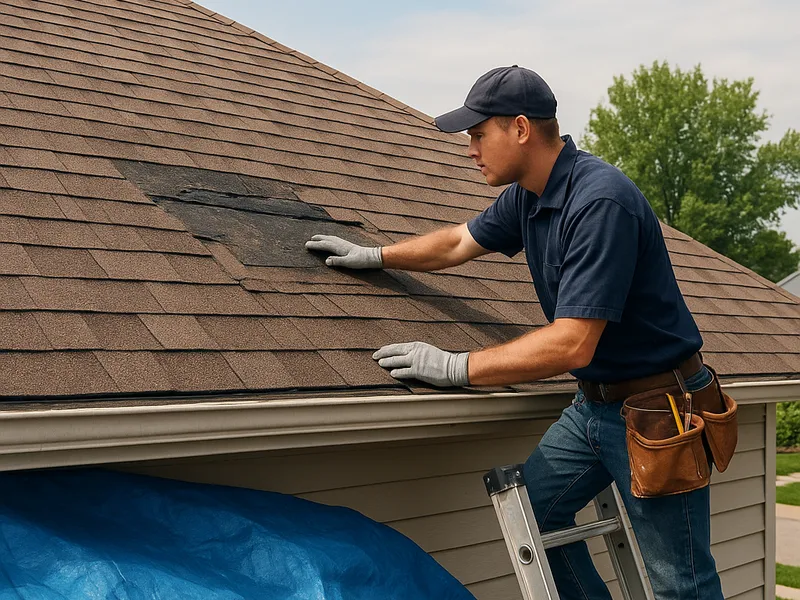
Roofing Repair
Article
2025-12-10 • 5 min read

Roofing Repair

Roofing repair is a practical investment that protects your home from water intrusion and preserves its value. A secure roof is the first line of defense against rain, wind, and temperature fluctuations, and timely maintenance can prevent small problems fro...

Roofing repair is a practical investment that protects your home from water intrusion and preserves its value. A secure roof is the first line of defense against rain, wind, and temperature fluctuations, and timely maintenance can prevent small problems from becoming costly emergencies. This article explores how to approach roofing repair, what to expect during the process, and where to turn for reliable services and materials.

Roofing systems are subjected to constant stress from weather, aging, and daily wear. Shingles can blister, curl, or lift at the edges, flashing around chimneys and vents can corrode, and underlayment may deteriorate after years of exposure. Storms and hail often accelerate damage, leaving the home vulnerable to leaks that may not be obvious from the ground. A careful inspection is key, but safety comes first. Do not climb onto a roof without proper fall protection and training, and consider hiring a professional if the job involves steep pitches, complex flashing, or widespread damage.

A practical approach starts with a thorough assessment. From the attic, look for signs of water intrusion such as dark stains, damp insulation, or a musty odor. From the outside, check for missing or cracked shingles, granule loss in gutters, or lifted edges along the roof line. If you notice active leaks during rain, place a temporary container to catch water and protect important areas below. While a DIY patch can address minor leaks temporarily, most roof repairs require professional experience to ensure the fix is watertight and durable.

When planning a repair, decide whether you are simply addressing a localized issue or if the damage warrants a broader replacement. Small repairs might involve resealing flashing, replacing a few damaged shingles, or reinforcing edge termination with proper nails and roofing cement. For more extensive problems, especially with aging roofs or widespread flashing failure, replacement may be the better long term option. A pro can help you assess the remaining lifespan of your roof and recommend the most cost effective course.

Costs for roofing repair vary with scope, materials, and local labor rates. A small patch or resealing job can be relatively affordable, while fixing multiple compromised areas or replacing flashing can increase the price. When budgeting, consider not only the repair itself but also potential enhancements such as upgraded flashing, better underlayment, or improved attic insulation to reduce future risk. Getting multiple quotes is essential to understand market pricing and ensure you are not overpaying for a straightforward fix.

Finding the right contractor is as important as the repair itself. Start by identifying licensed, insured professionals with solid local reputations. Ask for references and proof of insurance, and request to see recent project photos. A reliable roofer should provide a written estimate detailing materials, labor, scope of work, and a clear timeline. It is wise to verify their licensing status with the relevant state or local authority and confirm whether permits are required for your project. Read the warranty terms carefully, including what is covered and for how long, and whether workmanship is guaranteed.

Roofing Repair

Several reputable platforms and sources can help you locate qualified roofers and even purchase materials. For fast connections to local pros, platforms like HomeAdvisor and Angi connect homeowners with vetted roofing contractors and provide cost estimates based on project details. HomeAdvisor emphasizes contractor vetting and project matching, while Angi highlights user reviews and transparent pricing information. For a more hands on bidding approach, Thumbtack allows contractors to submit price proposals after reviewing your project details. Each platform has its strengths, and using a combination can yield a balanced view of options and price ranges.

If you prefer working with large retailers that offer installation services alongside materials, consider Home Depot and Lowe’s. Both vendors supply shingles, underlayment, flashing, and related accessories from manufacturers such as GAF, CertainTeed, and Owens Corning. They also offer installation services through their networks or certified local partners. These options can simplify sourcing materials and scheduling, and they often provide bundled warranties that cover both products and workmanship. When you purchase through these channels, ensure you understand the scope of the installation warranty and whether it complements any manufacturer warranties.

Manufacturer driven contractor networks are another reliable route. GAF, Owens Corning, and CertainTeed maintain contractor locator or certified installer programs, which can help you identify roofers who are trained to install their products to the manufacturer’s standards. Choosing a certified installer increases the likelihood of product warranty validity and access to approved installation practices, which can be valuable when you later claim coverage for defects.

Don’t overlook the basics of selecting a contractor. Always ask for a written contract, a clear payment schedule, and proof of insurance. Request a detailed breakdown of material choices, including shingle type and grade, underlayment, fasteners, and flashing. Confirm the estimated timeline and how weather disruptions will be handled. Prioritize contractors who conduct a thorough inspection, provide a plan for temporary protection during project downtime, and communicate any potential concerns that could affect durability, such as attic ventilation or insulation.

While some minor repairs can be performed by confident DIY homeowners, roofing involves hazards and structural considerations that make professional involvement advisable in many cases. If you choose to tackle small tasks yourself, focus on safety first, use proper fall protection, and avoid work on wet or icy surfaces. Always replace damaged components with compatible materials, and never disturb intact portions of the roof layout if you are unsure about the underlying structure.

In the end, roofing repair is about protecting your home, preserving its value, and peace of mind. With a careful assessment, a clear plan, and reliable partners, you can restore a roof’s performance and extend its life. By leveraging reputable platforms for contractor connections, trusted retailers for materials, and manufacturer networks for installation standards, you gain confidence that the repair will stand up to the weather and the years to come.

← Back to all articles